
People often notice their eyes first when meeting someone new. The eyelids frame the eyes, and with age, they can begin to sag or form puffy bags that change how you look and feel. At Dr. John Reilly MD Plastic Surgeon, many of our patients ask about options to restore a fresher and more open appearance to their eyes.
Two common solutions are upper and lower blepharoplasty. Each procedure targets a different part of the eyelid, and each offers its own benefits, techniques, and expected results. In this article, you will learn the differences, the techniques our surgeon uses, and what you can expect from each approach.
Key Takeaways
-
Upper Blepharoplasty Purpose: This procedure focuses on removing excess skin and sometimes fat from the upper eyelids to help open up the eyes and smooth the upper eyelid contour.
-
Lower Blepharoplasty Purpose: Lower blepharoplasty aims to improve puffiness, bags, or skin laxity under the eyes, usually by repositioning or removing fat and sometimes tightening skin.
-
Ideal Candidates: Good candidates for each type of blepharoplasty can differ, as some people have mainly upper eyelid sagging while others have noticeable under-eye bags or both.
-
Recovery Process: Recovery often lasts around one to two weeks for either surgery, though details may vary based on whether you have both procedures or just one.
-
Surgical Techniques Differ: Upper eyelid surgery uses an incision in the eyelid crease, while lower eyelid surgery may use incisions just below the lash line or inside the lower eyelid.
-
Benefits and Risks: Each blepharoplasty has different risks and offers different results, so it helps to discuss your goals and medical history with our team.
-
Lasting Results: Results from both procedures can last many years, especially if you take care of your skin and protect your eyes from the sun.
What Is Blepharoplasty?
Blepharoplasty is a surgical procedure to enhance the appearance of the eyelids by removing or repositioning skin, fat, or muscle. This surgery can address concerns with the upper or lower eyelids, and in some cases, both at once.
Why People Choose Blepharoplasty
Many patients come to Dr. John Reilly MD Plastic Surgeon, because their eyelids feel heavy, look puffy, or make them look tired. In some cases, extra eyelid skin can even interfere with vision.
Blepharoplasty can address these symptoms, and many people also choose it for the cosmetic benefit of a smoother, more alert appearance.
Medical and Cosmetic Benefits
The benefits go beyond looks. Some individuals experience functional improvement, such as better vision when upper lid skin hangs into the line of sight.
Others may simply feel more confident with a smoother eyelid contour, making this surgery both a medical and cosmetic option.

Upper Blepharoplasty: Goals and Methods
Upper blepharoplasty aims to remove sagging skin and sometimes fat from the upper eyelid. This can help open up your eyes, restore the natural lid crease, and create a smoother look.
What Upper Blepharoplasty Treats
Our surgeon addresses a range of concerns with this procedure. Most commonly, people notice extra upper eyelid skin that droops over the eyelashes or appears creased, especially as they age.
Some patients also have pockets of fat that create puffiness above the eyes. Upper blepharoplasty can address both skin and fat when needed.
How We Perform Upper Blepharoplasty
At our Connecticut office, our surgeon carefully makes an incision in the crease of the upper eyelid. This placement helps hide the scar once healing is complete.
Excess skin, muscle, or fat is gently removed or repositioned based on your unique needs. Our focus is on achieving natural, symmetrical results that do not change the shape of the eye itself.
Our team then closes the incision with fine sutures, which are typically removed about one week later.
Benefits of Upper Blepharoplasty
Patients appreciate a more open, refreshed appearance and often find that makeup applies more smoothly. Those with severe sagging may also notice that their range of vision improves without the extra fold of skin.
Results tend to last for several years. While the aging process continues, many people see long-term improvement that enhances daily life.
Lower Blepharoplasty: Purpose and Techniques
Lower blepharoplasty focuses on the area beneath the eye, where bags, puffiness, and excess skin develop. This procedure can help smooth the lower lid, reduce shadows, and create a brighter look.
Issues Treated with Lower Blepharoplasty
People often visit Dr. John Reilly MD Plastic Surgeon, because of prominent under-eye bags, puffiness, or a tired look caused by bulging fat pads. Others notice loose skin or fine lines under the eyes that do not respond to creams or non-surgical options.
Our team can treat these concerns by targeting both fat and skin, or just one, depending on your needs.
Surgical Approach: Incision Location and Method
Our surgeon chooses the method based on your anatomy and goals:
-
When the concern is mainly fat pads with good skin tone, the incision can be placed inside the eyelid (transconjunctival approach). This leaves no external scar.
-
When there is extra skin or deeper wrinkles, the incision goes just below the lash line (subciliary approach). This allows for skin tightening and fat removal or repositioning.
Our focus is always on preserving eye shape and function. Fat can be removed or redistributed to avoid a hollowed look, and if needed, skin is tightened for a smoother result.
Expected Results and Lasting Improvements
Lower blepharoplasty can have a dramatic effect on the appearance of under-eye bags or skin laxity. Results usually last many years, making this a long-term solution for under-eye concerns.
Some patients combine upper and lower eyelid surgery when both areas need attention. Our Connecticut office will personalize your treatment plan for the best results.
Main Differences: Upper vs. Lower Blepharoplasty
Both procedures fall under the category of eyelid surgery, yet the location, surgical techniques, and target concerns are quite distinct. It helps to understand these differences so you can choose the best option for your needs.
A Side-by-Side Comparison
Here are some of the main distinguishing features between the two types of blepharoplasty:
-
Area Treated: Upper blepharoplasty targets drooping skin and fat on the top eyelid, while lower blepharoplasty focuses on bags, puffiness, or loose skin under the eye.
-
Incision Placement: Incisions for the upper eyelid are hidden in the lid crease. For the lower lid, incisions are placed just below the lash line or inside the lower eyelid.
-
Main Purpose: Upper surgery mainly removes sagging skin that can block vision or create heavy folds, while lower surgery addresses bags and fine lines beneath the eye.
-
Age-Related Changes: Upper eyelid sagging tends to happen as skin loses elasticity, while lower eyelid bags can stem from genetics or fat pad herniation, often visible beginning in the thirties or forties.
-
Risks and Healing: Each surgery has unique risks, such as temporary eye dryness or swelling, but lower eyelid surgery may require additional care to avoid changes in lid position.
Before making any decision, our team invites you to a personal consultation to help determine which solution fits your goals.
Candidate Evaluation for Blepharoplasty
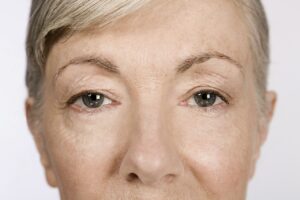
Patients considering eyelid surgery often wonder if they qualify for upper or lower blepharoplasty. Our Connecticut team assesses several key factors to guide your decision.
Key Considerations for Surgery
Our surgeon takes a medical history and examines your eyelid structure, reviews current medications, and discusses your goals.
Some of the criteria our team evaluates include:
-
The presence of excess skin or sagging on the upper eyelids
-
Noticeable bags, puffiness, or loose skin under the eyes
-
Overall eye health and a lack of serious dry eye symptoms
-
General health status and whether you can safely undergo anesthesia
-
Realistic expectations for post-surgery outcomes
A private consultation allows us to address individual factors to ensure the safest and most satisfying blepharoplasty results.
When Both Procedures May Be Appropriate
Some patients experience significant changes in both the upper and lower eyelids. In these cases, our team may recommend performing both procedures during one surgical visit.
Combining surgeries can offer a balanced result and shorten overall recovery time.
Recovery and Aftercare: What to Expect
Blepharoplasty recovery is straightforward for most patients. However, following your blepharoplasty post-operative instructions ensures smooth healing, as it requires a few days of rest, careful aftercare, and close communication with our office.
Typical Recovery Timeline
-
Initial Days: Most swelling and bruising appear in the first three to four days. You should use cool compresses and keep your head elevated.
-
Suture Removal: Sutures from upper eyelid surgery usually come out about one week after your procedure.
-
Normal Activities: Most patients return to regular, non-strenuous activities in about a week. Sometimes, mild swelling can last up to two weeks.
-
Makeup and Contacts: You should avoid eye makeup and contact lenses for two weeks, or until our team gives the all-clear.
Safeguarding your eyes from sun, wind, and dust during healing helps promote the best results.
Aftercare Tips from Our Practice
Our team will send you home with tailored aftercare instructions. Some general advice includes:
-
Use prescribed ointments or eye drops as directed
-
Avoid heavy lifting and vigorous exercise until cleared by our surgeon
-
Wear dark sunglasses to protect the area when outside
Attending all follow-up visits allows our doctor to monitor your healing and answer any questions.
Benefits and Risks: Making an Informed Decision
Every surgical procedure comes with benefits and some level of risk. Blepharoplasty is no exception, which is why we discuss both clearly during your consultation at our Connecticut practice.
Benefits of Each Type of Procedure
Upper and lower blepharoplasty can each deliver important benefits:
-
Easier Vision: Upper eyelid surgery can reduce vision problems caused by sagging skin.
-
Refreshed Appearance: Both types of blepharoplasty help diminish signs of aging and restore smoother contours.
-
Self-Confidence: Patients often feel happier with their appearance after surgery, which can improve social and professional interactions.
-
Long-Lasting Results: The changes you see can last many years, especially when you practice sun protection and good skincare.
These benefits often add up to a better quality of life.
Potential Risks and Complications
As with any surgery, certain risks can occur. These include:
-
Temporary swelling, bruising, or discomfort
-
Dry, irritated eyes, especially after upper blepharoplasty
-
Infection or unfavorable scarring, though this is rare with proper care
-
Changes in lower eyelid position or contour, which may need revision surgery on rare occasions
Our experience helps to minimize these risks. We will discuss all possible issues with you before you decide to move ahead.
Customization and Combination With Other Procedures
Blepharoplasty can be highly personalized, and some patients benefit from combining it with other facial procedures for a more complete result.
Procedures Often Combined With Blepharoplasty
Common combinations include:
-
Brow Lift: When the brow sags along with the upper eyelid, a brow lift elevates the entire upper face for a smooth transition.
-
Facial Fillers or Fat Transfer: These non-surgical treatments can help restore lost volume elsewhere on the face or smooth deeper hollows.
-
Laser Skin Resurfacing: This treatment can further smooth the skin and improve fine lines for patients who want maximum improvement around the eyes.
You do not have to combine treatments, but our team can help you decide whether this is right for you.
How We Personalize Your Plan
Our surgeon considers your goals, facial anatomy, and medical background when creating a treatment plan. Each person receives an approach tailored to their needs, which ensures results that fit with their unique features.
A focused discussion during your consultation will help you understand the best way to proceed.
Frequently Asked Questions About Eyelid Surgery
You may have questions about blepharoplasty and what happens before and after surgery. Here, our Connecticut office addresses some of the most common concerns.
Common Blepharoplasty Questions
-
Is There Noticeable Scarring? Incisions are well-hidden in natural eyelid creases or inside the lower lid, so any scar is usually very faint.
-
Will Blepharoplasty Change the Shape of My Eyes? The technique targets only skin, fat, or muscle, so the shape and position of your eyes stay the same.
-
How Long Do the Results Last? Results often last 5 to 10 years or longer. Aging still affects your skin over time, but most patients do not need repeat surgery for many years.
-
Can I Combine This With Other Procedures? Yes, some individuals choose eyelid surgery along with other treatments, like a brow lift or laser procedures, for a more complete transformation.
Your consultation will address any other questions or personal concerns you have.
Choosing the Best Approach for Brighter Eyes
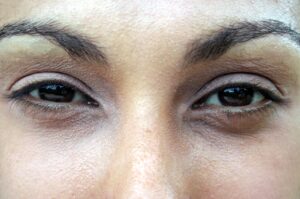
Deciding whether upper or lower blepharoplasty is right for you can feel overwhelming at first. Thorough knowledge of the differences, benefits, and procedure details empowers you to choose what works best for your body.
You know your goals and areas of concern best, while our team at Dr. John Reilly MD Plastic Surgeon brings experience and precision to each surgery. Together, we can create a treatment plan that achieves the natural, refreshed outcome you want, whether you need upper eyelid surgery, lower eyelid surgery, or both.
We encourage you to reach out to our Connecticut office and schedule a personal consultation. Our surgeon will answer your questions, provide an honest assessment, and help guide you to the option that fits your vision of a brighter appearance.