
Breast Lift in Fairfield County, Connecticut
Expert breast lift surgery in Trumbull and Fairfield County, CT, performed by board-certified plastic surgeon Dr. John Reilly.



Have Your Breasts Lost Their Shape and Position?
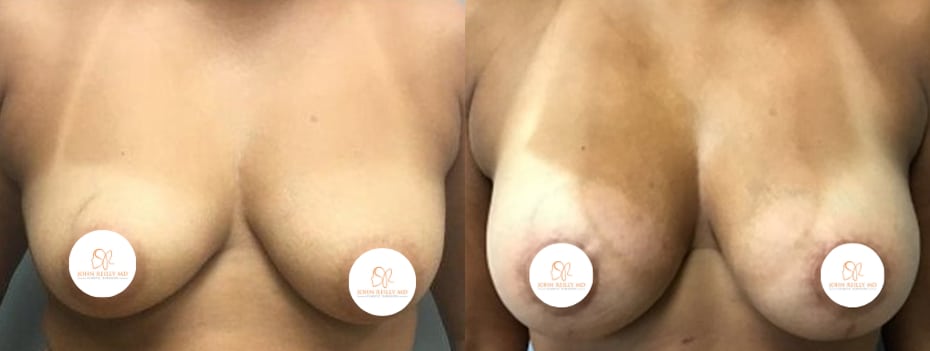
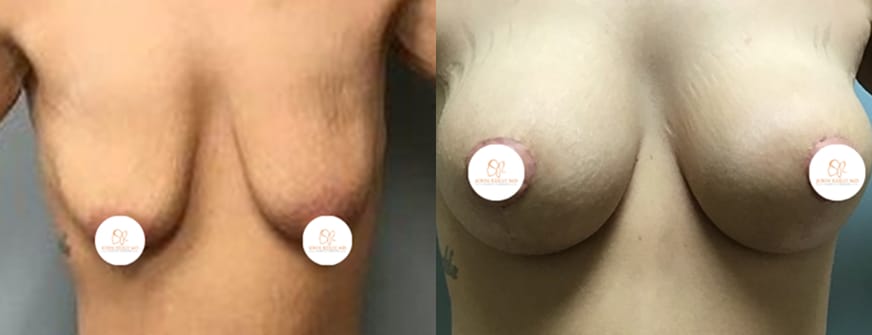
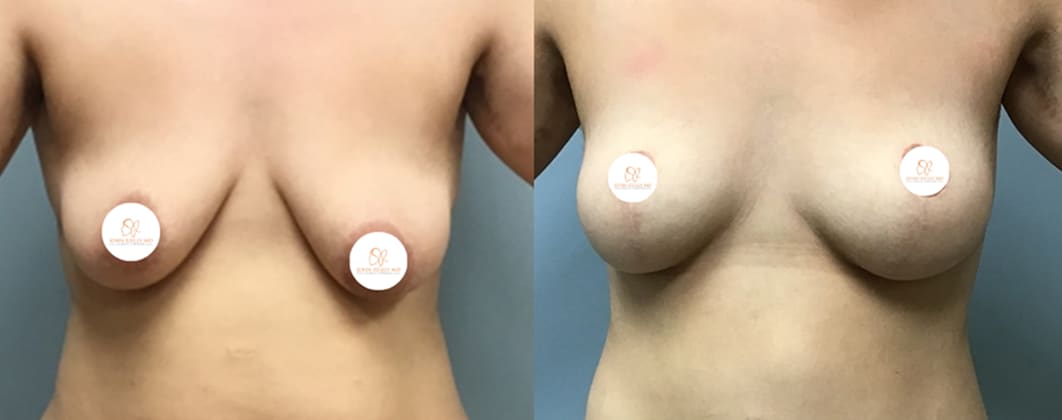
Gravity, pregnancy, breastfeeding, weight changes, and aging all take a toll on breast shape. Over time, the tissue drops lower on the chest, the skin stretches, and the nipples point downward instead of forward. A breast lift at our Connecticut office raises and reshapes the breasts to restore the position and contour they have lost.
A breast lift, also called a mastopexy, is a surgical procedure that lifts sagging breasts by removing excess skin and tightening the tissue underneath. It also repositions the nipple and areola to a higher, more natural spot on the breast mound. Dr. Reilly tailors every lift to the patient’s degree of sagging, breast shape, and goals.
Lift your breasts back to where they belong. Schedule your consultation today.

Breast Lift at a Glance
Typically 2-3 hours
General anesthesia
1-2 weeks or even less
Around areola and under the breast


Benefits of a Breast Lift
A breast lift restores shape and position without changing your breast size. Here is what patients typically experience after surgery.
- Higher, More Forward-Facing Breasts: Raises the entire breast mound so the tissue sits where it used to instead of resting low on the chest.
- Nipples That Point Forward: Repositions the nipple and areola to a natural height that matches the center of the newly shaped breast.
- A Firmer, Rounder Breast Contour: Tightens loose skin and reshapes the tissue to create a lifted, more defined profile from every angle.
- Reduced Areola Size if Needed: Resizes stretched or enlarged areolas so they look proportional to the newly lifted breast.
- Better Bra and Clothing Fit: Creates a perkier shape that fills out bras, tops, and dresses the way they are designed to fit.
- Long-Lasting Lift: Delivers results that hold up for many years, especially when you maintain a stable weight and wear supportive bras.
Ideal Candidates
A breast lift works best for women who are happy with their breast size but unhappy with the position and shape. Here are the factors our surgeon evaluates.
Breasts That Sag Below the Natural Crease
Your breast tissue has dropped below the fold where the breast meets the chest, and the nipple points downward or sits near the bottom of the breast.
Nipples Below the Breast Fold
When you look at your chest from the side, your nipples sit at or below the crease under the breast instead of at the center of the mound.
Stretched or Enlarged Areolas
The darker skin around your nipples has stretched wider over time and no longer looks proportional to the rest of the breast.
Loss of Firmness After Pregnancy or Breastfeeding
Your breasts deflated and dropped after nursing, and the skin never tightened back to its original shape.
Asymmetric Sagging Between the Two Breasts
One breast hangs lower or sags more than the other, which creates an uneven appearance that bothers you.
Stable Weight for Several Months
Your weight has been steady, since significant fluctuations can stretch the skin and affect the lift over time.
How a Breast Lift Restores Shape and Position
Your breast holds its position on the chest wall through a network of internal ligaments called Cooper’s ligaments. These thin bands of connective tissue run through the breast like scaffolding, supporting the weight of the glandular tissue and fat from the inside. The skin around the outside acts as a second layer of support, keeping everything contained and in place.
Over time, both of these support systems weaken. The ligaments stretch and lose their hold, and the skin expands beyond its ability to snap back. Pregnancy, breastfeeding, gravity, weight changes, and aging all speed up this process. The result is a breast that slides downward on the chest, with the nipple following along until it points toward the ground instead of forward.
A breast lift repairs both layers of support in one surgery. Dr. Reilly removes the stretched-out skin, reshapes the internal breast tissue into a rounder and higher position on the chest wall, and repositions the nipple and areola to a natural height on the newly shaped mound. The remaining skin is tightened around the reshaped tissue to create a firm envelope that holds the breast in its lifted position.
A breast lift is about putting everything back where it belongs. The shape of the breast, the position of the nipple, the fit of the skin, all of it gets restored to where it was before gravity took over.
— Dr. John Reilly

What to Expect During a Consultation at Our Connecticut Office
During your consultation, Dr. Reilly will examine your breasts, evaluate the degree of sagging, and discuss your goals for shape and position. He will explain which technique matches your anatomy and whether adding volume with implants or fat grafting would benefit your result.
Dr. Reilly will also review your medical history, walk you through the procedure and recovery timeline, and answer every question you have. You will leave with a clear surgical plan and confidence in the approach.
Our team handles all scheduling and follow-up coordination from that point forward. We make the process straightforward so you can focus on preparing for surgery.
How to Prepare for Your Surgery
Good preparation helps your surgery go smoothly and sets you up for a more comfortable recovery. Here is what to do before your procedure.
Buy Front-Closure Sports Bras
Pick up two or three supportive bras that close in the front so they are ready to wear right after surgery without pulling anything over your head.
Set Up a Comfortable Sleep Area
Arrange pillows so you can sleep on your back in a slightly elevated position for the first one to two weeks while your chest heals.
Stock Up on Button-Front Tops
Choose shirts that button or zip from the front so you do not have to raise your arms overhead during the first week of recovery.
Prepare Easy Meals in Advance
Cook and freeze simple, protein-rich meals before surgery so you can focus on resting during the first few days.
Stop Blood Thinners
Our surgeon will give you a list of medications, vitamins, and supplements to pause at least two weeks before your procedure.
Arrange a Ride
You will need someone to drive you home from surgery and stay with you for at least the first 24 hours.
Solid preparation makes a real difference for your breast lift recovery in Connecticut.
Breast Lift Procedure Steps
A breast lift follows a careful sequence of steps, and each one builds on the last. Here is what happens from start to finish so you know what to expect on the day of surgery.
Before surgery begins, Dr. Reilly marks your breasts while you are sitting or standing upright. He draws the new position for each nipple, outlines the skin that will be removed, and maps the incision pattern for the technique being used. These markings are the blueprint for the entire procedure and are essential for symmetry. Once the plan is confirmed, you are placed under general anesthesia so you are fully asleep and comfortable.
The incision pattern depends on how much lift your breasts need. For moderate sagging, the incision goes around the areola and straight down to the breast crease. For more significant sagging, an additional incision runs along the crease itself. Each pattern is designed to give our surgeon full access to the tissue while keeping scars in areas that bras and swimwear cover.
Through the incisions, Dr. Reilly lifts the internal breast tissue and repositions it higher on the chest wall. The tissue is reshaped into a rounder, more projected contour and anchored with internal stitches so it holds its new position. This internal restructuring is what creates the lifted shape and keeps the result stable over time. The degree of reshaping depends on how much sagging was present.
The nipple and areola are moved to a higher position that matches the peak of the newly shaped breast mound. Throughout this process, the nipple typically stays attached to its blood supply and nerve connections, which helps preserve sensation. If the areola has stretched over time, our surgeon trims it to a smaller, more proportional size. This repositioning is one of the most visible changes patients notice.
The stretched-out skin that no longer fits the reshaped breast is trimmed away, and the remaining skin is pulled tight around the new contour. This creates the firm, smooth envelope that holds the lift in place. The incisions are closed in layers with internal dissolvable stitches and fine surface sutures.
A compression garment or surgical bra is placed to reduce swelling and help the breasts settle into their lifted position. You are then moved to the recovery room, where the care team watches over you as the anesthesia wears off. Most patients are ready to leave with a companion within about an hour.
Lift Techniques
Several techniques are used in a breast lift, and the right one depends on how much your breasts sag and how much correction is needed. We will recommend the best approach during your consultation.
Anchor (Inverted-T) Lift
The anchor T technique uses three incisions: around the areola, vertically down to the breast crease, and horizontally along the crease. It provides the most correction and is best suited for patients with significant sagging. It gives the surgeon maximum access for reshaping and repositioning the tissue.
Lollipop (Vertical) Lift
This technique uses two incisions: around the areola and vertically down to the breast crease, with no horizontal cut along the fold. It produces less scarring than the anchor method and works well for patients with moderate sagging who need a meaningful lift without the full anchor pattern.
Periareolar (Donut) Lift
This technique uses a single incision around the outer edge of the areola. It is the least invasive option and is best suited for patients with mild sagging who primarily need the nipple repositioned and the areola resized. It offers the least amount of lift but leaves the shortest scar.
Procedures Combined With Surgery
Many patients combine a breast lift with other procedures to achieve a more complete result during one surgery and one recovery period.
Breast Augmentation
A lift combined with implants, called an augmentation mastopexy, is the most common pairing. If your breasts have both sagged and lost volume, the lift raises the tissue while the implant fills out the upper pole and restores fullness. Together, they address position and size at the same time.
Fat Grafting
Fat grafting adds a modest amount of volume using your own body fat instead of implants. Fat is harvested through liposuction from another area and injected into the breast to fill in areas of deflation or improve contour. It works well for patients who want a subtle volume boost alongside their lift.
Tummy Tuck
A breast lift combined with a tummy tuck is a popular pairing for patients who want to address both their upper and lower body in one session. This combination is especially common for women who are reshaping their body after pregnancy or weight loss and want to go through a single recovery period.
Breast Lift Recovery Timeline
Every patient heals at their own pace, so your recovery from a breast lift at our Connecticut practice may differ from this general guide. Follow Dr. Reilly’s specific instructions for the best results.
Days 1-3
You will have the most swelling, tightness, and tenderness during this window. Wear your surgical bra at all times, sleep on your back with your upper body raised, and avoid any lifting or reaching overhead.
Days 4-7
Swelling and bruising begin to improve, and you can start light activity around the house. Drains, if placed, are typically removed during this period at your first follow-up visit. Most patients start to feel noticeably better by the end of the first week.
Weeks 2-3
Most visible bruising fades, and you can return to desk work and light daily activities. The breasts will still be swollen and may sit slightly higher than their final position. This is normal and resolves over the coming weeks.
Weeks 4-6
Swelling continues to decrease and the breast shape becomes clearer. You can return to exercise and most normal activities once our surgeon clears you. Avoid underwire bras and chest-intensive workouts until you receive the go-ahead.
Months 2-3
Your breasts settle into their final position, and the tissue softens into a natural contour. You can resume all physical activity, and the lifted shape becomes more defined.
Months 6-12
Your final results are fully visible as the last swelling resolves and your scars continue to fade. Scars mature from red to pink to pale lines that sit within the natural contours of the breast.
Dr. Reilly's Recovery Tips
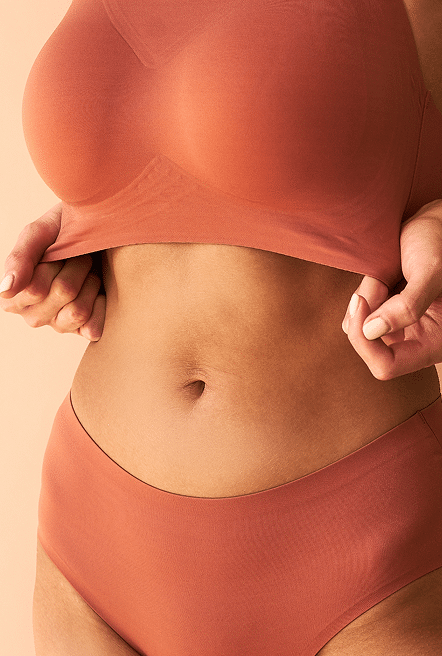
- Wear your surgical bra around the clock
- Sleep on your back with your chest elevated
- Avoid heavy lifting for at least four weeks
- Skip underwire bras until fully cleared
- Apply scar treatments once our surgeon approves
Why Choose Dr. Reilly for a Breast Lift
If you are considering a breast lift in Connecticut, Dr. Reilly brings the surgical precision and aesthetic eye this procedure demands. He treats every lift as both a structural repair and a cosmetic reshaping, so you leave with breasts that hold their position and look naturally proportional. Here is what sets his approach apart.

Precise Nipple Repositioning
The height and angle of the nipple define how natural the lift looks. Dr. Reilly measures and positions each nipple at a point that matches the peak of the reshaped breast mound so the result looks balanced and centered from every angle.
Internal Tissue Anchoring
A lift that relies only on tightened skin will not last. He reshapes and secures the internal breast tissue with layered stitches so the structure holds the lifted position for years, not just months.
Tailored Incision Approach
The right incision pattern depends on how much sagging you have. Dr. Reilly selects the technique that provides enough correction for your anatomy while keeping the scars as minimal and well-hidden as possible.
Frequently Asked Questions
A breast lift primarily changes the position and shape of the breasts, not the size. You may lose a small amount of volume from the removed skin, but the difference is usually minor. If you want to add or reduce size, that can be done at the same time.
If your breasts sag but you are happy with the size, a lift alone is likely the right choice. If they sag and have also lost volume, a lift with augmentation addresses both. Dr. Reilly will help you decide during your consultation.
Breast lift scars are placed around the areola and along the lower breast where bras and swimwear cover them. They fade significantly over the first year and become much less noticeable. The specific pattern depends on which technique is used.
In most techniques, the nipple stays connected to its blood supply and milk ducts during the procedure. This preserves the potential to breastfeed, though results vary from patient to patient. Dr. Reilly discusses this with anyone who may want to nurse in the future.
A breast lift provides long-lasting improvement, but your breasts will continue to age naturally. Gravity, weight changes, and hormonal shifts can affect the lift over time. Maintaining a stable weight and wearing supportive bras helps preserve your results.
Most patients can resume light walking within the first week and return to full exercise around four to six weeks after surgery. Our surgeon will clear you for specific activities at your follow-up visits based on how your healing is progressing.
Yes. A breast lift can correct uneven sagging, different nipple positions, and size differences between the two breasts. Dr. Reilly adjusts the amount of tissue removed and the nipple placement on each side to create a more balanced result.
Yes. A breast lift is typically performed as an outpatient surgery, so you go home the same day. You will need someone to drive you home and stay with you for at least the first night after surgery.
Ready to get started?
Book your consultation with Dr. Reilly and begin your journey to renewed confidence.
Book online
Pick a date and time that works for you. Get confirmed instantly – no waiting for a callback.
- Instant confirmation
- CT and NH availability
- Takes under 60 seconds
Prefer to send a message?
Fill out the form below and we’ll get back to you soon.