
Breast Reduction in Fairfield County, Connecticut
Expert breast reduction surgery in Trumbull and Fairfield County, CT, performed by board-certified plastic surgeon Dr. John Reilly.






Are Overly Large Breasts Causing You Pain?
Large, heavy breasts can make everyday life harder than it needs to be. Back pain, neck strain, deep bra strap grooves, and skin irritation under the breasts are problems that clothing adjustments and pain medication can only mask. A breast reduction at our Connecticut practice removes the excess tissue to relieve that weight and give you breasts that fit your body.
A breast reduction, also called reduction mammoplasty, is a surgical procedure that removes excess breast tissue, fat, and skin. It also reshapes and lifts the remaining breast tissue and repositions the nipple to a higher, more natural spot. Dr. Reilly customizes every reduction to the patient’s frame and goals so the results look proportional and feel comfortable.
The surgery is performed under general anesthesia and typically takes two to four hours, depending on how much tissue needs to be removed. It is an outpatient procedure in most cases, and patients go home the same day. Dr. Reilly can walk you through the full process during a consultation.
Stop letting your breasts limit what you can do. Schedule your consultation today.

Breast Reduction at a Glance
Typically 2-4 hours
General anesthesia
1-2 weeks or shorter
Around areola and beneath breast

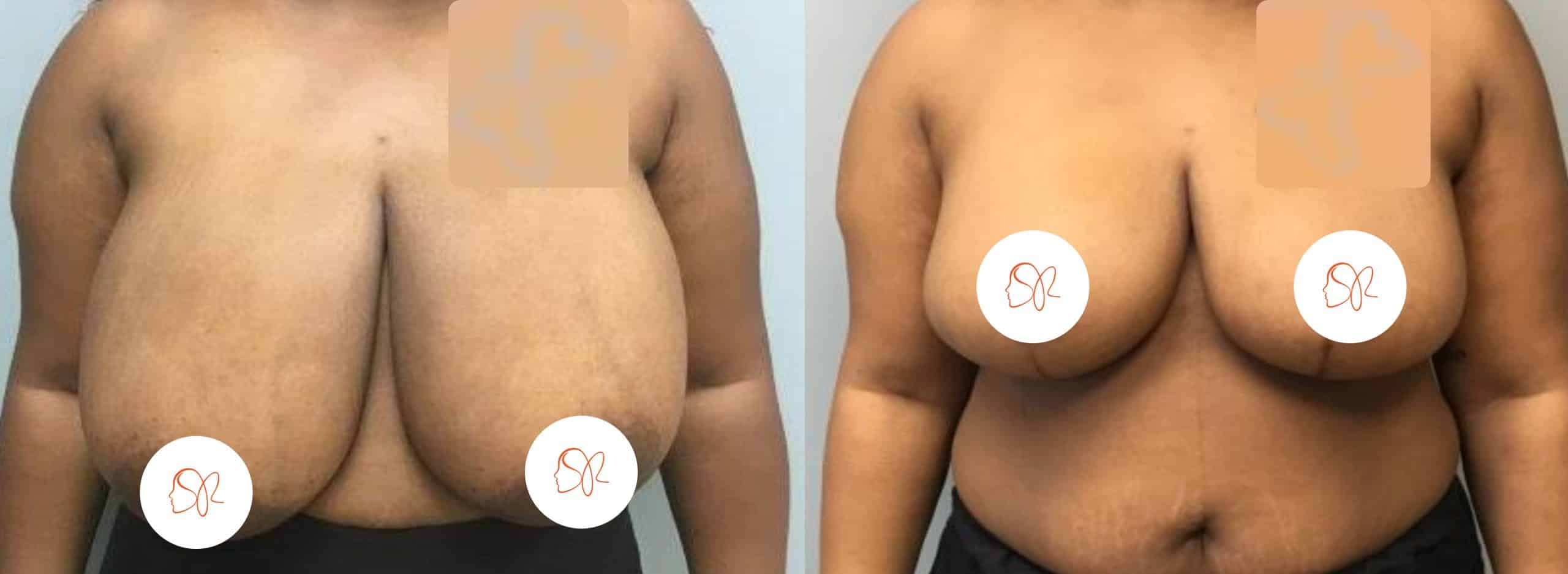
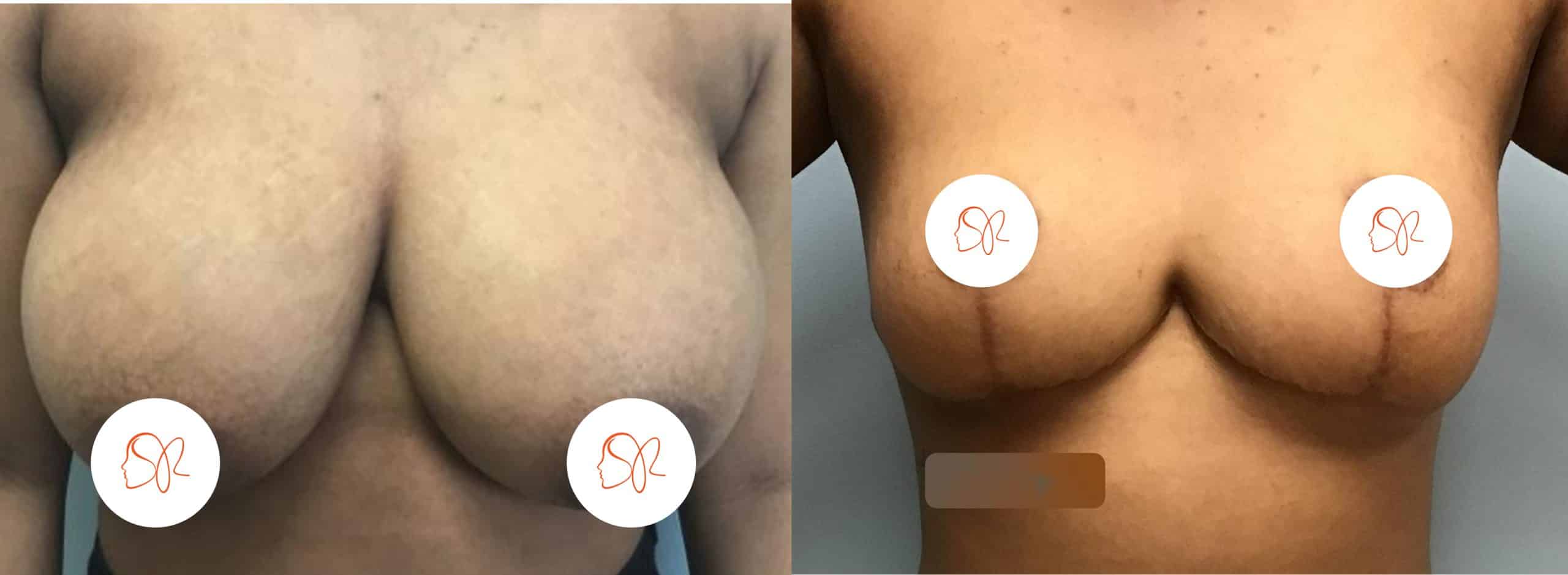

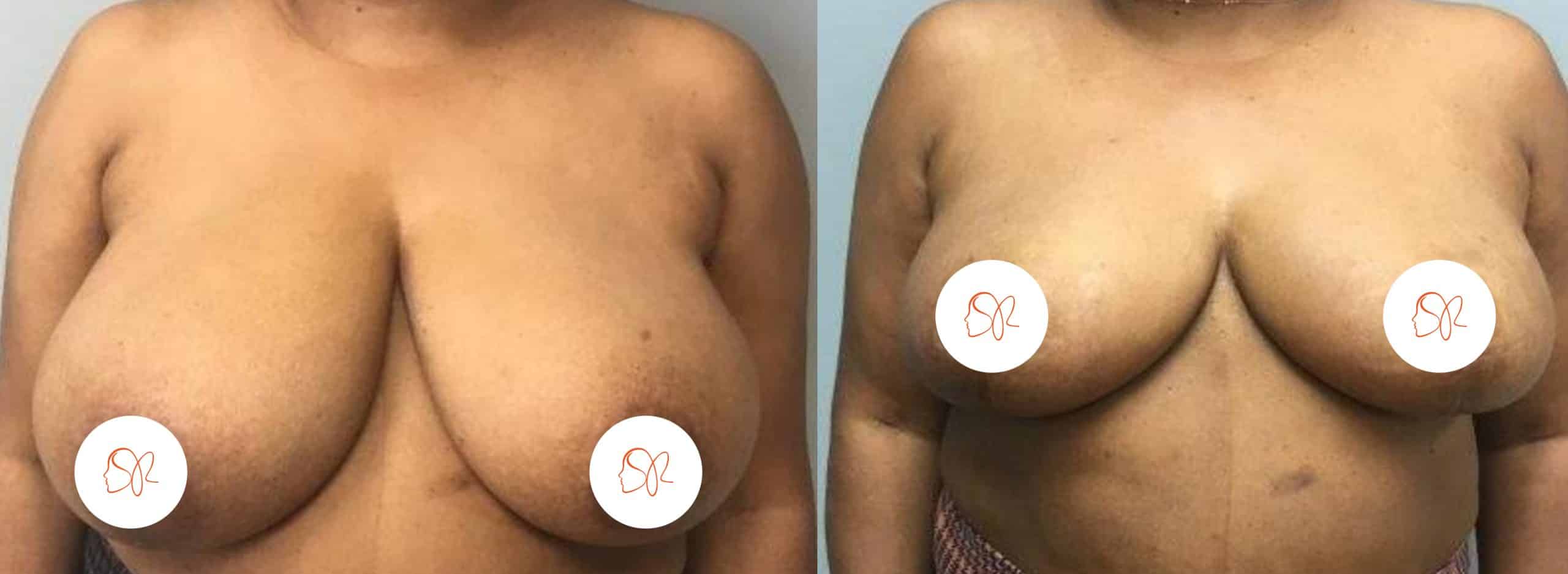


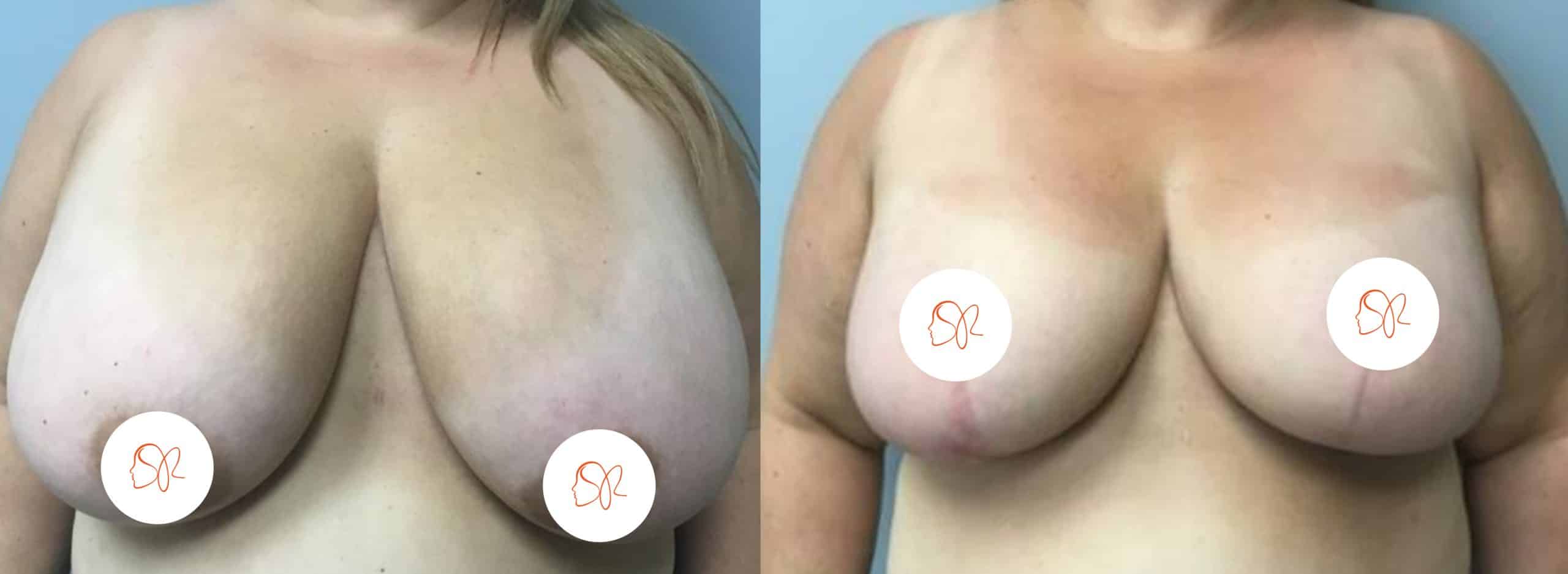
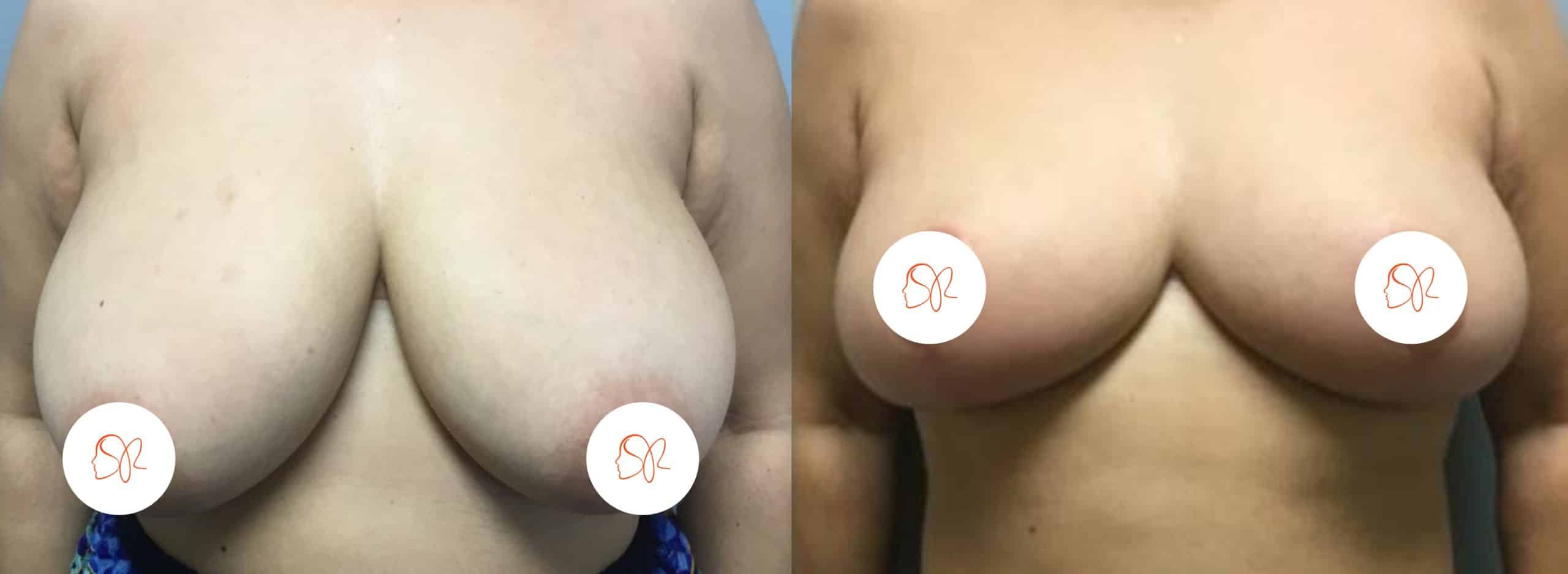
Benefits of a Breast Reduction
A breast reduction is consistently rated as one of the highest-satisfaction procedures in plastic surgery. Here is what patients typically experience after surgery.
- Relief From Back, Neck, and Shoulder Pain: Removes the excess weight that pulls on your upper body and causes daily discomfort.
- No More Skin Irritation Under the Breasts: Eliminates the folds where moisture collects and causes rashes, redness, and skin breakdown.
- Make Activities More Comfortable: Running, yoga, cycling, and other exercises are easier when heavy breasts are no longer in the way.
- Better Posture and Spinal Alignment: Reduces the forward pull on your shoulders and upper back that large breasts create over time.
- Breasts That Fit Your Frame: Creates a proportional size and shape that matches the rest of your body.
- A Lifted, More Shapely Contour: Reshapes and raises the tissue so the breasts look firmer, rounder, and more naturally positioned.
Ideal Candidates
A breast reduction works best for women who have specific physical or functional concerns caused by the size and weight of their breasts. Here are the factors Dr. Reilly evaluates.
Chronic Pain From Heavy Breast Weight
You deal with ongoing back, neck, or shoulder pain that is directly tied to the size and weight of your breasts.
Deep Bra Strap Indentations on the Shoulders
Your bra straps dig into your shoulders and leave permanent grooves, even with properly fitted and supportive bras.
Skin Irritation or Rashes in the Breast Fold
The skin beneath your breasts stays red, irritated, or infected from constant moisture and friction.
Difficulty Exercising or Staying Active
The size and movement of your breasts make running, jumping, and other physical activities uncomfortable or impractical.
Breasts That Are Disproportionate to Your Frame
Your breast size looks and feels out of balance with the rest of your body, and it affects how clothing fits.
Fully Developed Breast Tissue
Your breasts should be fully developed before surgery, with exceptions made for younger patients whose breast size is causing serious physical problems.
How a Breast Reduction Lightens the Load on Your Body
Each breast is made up of glandular tissue, fat, and a surrounding skin envelope. In women with very large breasts, there is simply too much of all three. The combined weight can add several pounds to the chest, and that weight has to go somewhere. It pulls the shoulders forward, strains the muscles in the upper back and neck, and presses the bra straps deep into the skin.
The skin beneath the breasts folds over on itself, trapping heat and moisture all day long. This creates an environment where rashes, fungal infections, and chronic irritation can develop and never fully heal. At the same time, the heavy tissue causes the breasts to sag, which pulls the nipple and areola downward and stretches the skin envelope beyond what it can support.
A breast reduction removes the excess glandular tissue, fat, and stretched skin, then reshapes what remains into a smaller, lighter, and more lifted breast. Dr. Reilly repositions the nipple and areola to a natural height on the newly shaped breast mound. The remaining skin is tightened around the reshaped tissue to create a firmer contour that stays in proportion with your body and relieves the physical strain.
Breast reduction is one of the most rewarding procedures I perform. The relief patients feel, from pain, from limitation, from frustration, starts the day they wake up from surgery.
— Dr. John Reilly

What to Expect During a Consultation at Our Connecticut Office
During your consultation, Dr. Reilly will examine your breasts, assess the amount of tissue that needs to be removed, and discuss your goals for size and shape. He will measure your chest and evaluate your skin quality to determine which technique will work best for your anatomy.
Dr. Reilly will also go over your medical history, explain the procedure and recovery in detail, and discuss whether your insurance may cover part of the cost. You will leave with a clear surgical plan and a full picture of what to expect.
Our team handles scheduling, insurance coordination, and all follow-up details from that point forward. Our practice makes the entire process straightforward so you can focus on preparing for surgery.
How to Prepare for Your Surgery
Good preparation helps your surgery go smoothly and sets you up for a more comfortable recovery. Here is what to do before your procedure.
Buy Front-Closure Sports Bras
Pick up supportive sports bras that close in the front so they are ready to wear right after surgery without pulling anything over your head.
Set Up a Comfortable Sleep Area
Arrange pillows so you can sleep on your back in a slightly elevated position for the first one to two weeks while your chest heals.
Stock Up on Button-Front Tops
Choose shirts that button or zip from the front so you do not have to raise your arms overhead during the first week.
Prepare Easy Meals in Advance
Cook and freeze simple, protein-rich meals before surgery so you can focus on resting during the first few days.
Stop Blood Thinners
Our surgeon will give you a list of medications, vitamins, and supplements to pause at least two weeks before your procedure.
Arrange a Ride and Help
You will need someone to drive you home from surgery and stay with you for at least the first 24 hours.
Solid preparation makes a real difference for your breast reduction recovery in Connecticut.
Breast Reduction Procedure Steps
A breast reduction follows a careful sequence of steps, and each one builds on the last. Here is what happens from start to finish so you know what to expect on the day of surgery.
Before surgery begins, Dr. Reilly marks your breasts while you are sitting or standing upright. He draws the new position for the nipple, outlines where the incisions will be made, and maps how much tissue will be removed from each side. These markings serve as a precise guide for the entire procedure. Once the plan is confirmed, you are taken to the operating room and placed under general anesthesia so you are fully asleep and comfortable.
The incision pattern depends on which technique is being used. For most reductions, the incision goes around the areola, then straight down to the breast crease, and sometimes along the crease itself. This gives our surgeon full access to the tissue inside while keeping the scars in areas that bras and swimwear cover. The incision pattern is always chosen to balance the amount of correction needed with the least amount of visible scarring.
Through the incisions, Dr. Reilly removes the excess glandular tissue, fat, and stretched-out skin from each breast. The amount removed depends on your size, your goals, and the plan you and Dr. Reilly agreed on during your consultation. In some cases, liposuction is used alongside direct removal to further refine the contour of the breast and the surrounding chest area. This step is what lightens the breast and takes the physical strain off your back and shoulders.
With the excess tissue removed, the remaining breast tissue is sculpted into a smaller, rounder shape and repositioned higher on the chest wall. Our surgeon molds the tissue to create a natural slope and projection that looks proportional to your frame. This reshaping step is what gives the breast its new contour, and the precision of the work here determines how natural and lifted the final result looks.
The nipple and areola are moved to a higher position that matches the new breast shape. In most reductions, the nipple stays attached to its blood supply and nerve connections during the entire process, which helps preserve sensation. If the reduction is very large, the nipple may need to be removed and grafted to its new position. Our surgeon also resizes the areola if needed so it looks proportional to the smaller breast.
The incisions are closed in layers with internal dissolvable stitches and fine surface sutures. Surgical tape or adhesive strips are applied to protect the incision lines. A supportive surgical bra is placed over the chest to reduce swelling and hold the breasts in their new shape. You will wake up wearing this bra, and our team will make sure you are comfortable and stable before you head home.
Reduction Techniques
Several techniques are used in breast reduction, and the right one depends on how much tissue needs to be removed and your skin quality. Dr. Reilly will recommend the best approach during your consultation.
Anchor (Inverted-T) Technique
This is the most common technique for significant reductions. The incision goes around the areola, vertically down to the breast crease, and horizontally along the crease. It provides maximum access for tissue removal and reshaping and is best suited for patients who need a reduction of three or more cup sizes.
Vertical (Lollipop) Technique
The lollipop technique uses an incision around the areola and vertically down to the breast crease, with no horizontal cut along the fold. It produces less scarring than the anchor method and works well for patients who need a moderate reduction of about one to two cup sizes. It also provides a good lift with a more natural breast shape.
Liposuction-Only Reduction
This approach removes breast fat through tiny incisions using a liposuction cannula. It works best for patients with breasts that are mostly fatty tissue, good skin elasticity, and only a modest size reduction needed. It leaves virtually no visible scars, though it does not reposition the nipple or remove glandular tissue.
Combination Procedures
Some patients combine their breast reduction with other procedures to address additional areas during one surgery and one recovery period.
Liposuction of the Lateral Chest
Many women with large breasts also carry excess fat along the sides of the chest and into the underarm area. Liposuction of this region smooths out the transition between the breast and the arm and creates a cleaner side profile. It is the most common add-on to a breast reduction.
Tummy Tuck (Abdominoplasty)
A breast reduction combined with a tummy tuck is a popular pairing for patients who want to reshape both their upper and lower body at the same time. This combination is especially common for women addressing post-pregnancy changes to the breasts and abdomen in a single surgery.
Arm Lift (Brachioplasty)
Patients who are looking for an overall body transformation sometimes pair their breast reduction with an arm lift. This is most common in women who have experienced significant weight changes and want to address loose skin in multiple areas during one session.
Recovery Timeline
Every patient heals at their own pace, so your recovery from a breast reduction in Connecticut may differ from this general guide. Follow Dr. Reilly’s specific instructions for the best results.
Days 1-3
You will have the most swelling, tightness, and soreness during this window. Wear your surgical bra at all times, sleep on your back with your upper body raised, and avoid lifting anything or reaching overhead.
Days 4-7
Swelling and bruising begin to improve, and the immediate relief from the weight on your back and shoulders is often noticeable right away. Drains, if placed, are typically removed during this first week at your follow-up visit.
Weeks 2-3
Most visible bruising fades, and you can return to desk work and light daily activities. The breasts will still be swollen and sitting higher than their final position, which is normal at this stage.
Weeks 4-6
Swelling continues to go down and the breast shape becomes clearer. You can gradually return to exercise, though chest-intensive workouts and heavy lifting should wait until our surgeon clears you.
Months 2-3
Your breasts continue to settle into their final shape, and the tissue softens. You can resume all exercise and physical activity once Dr. Reilly confirms your healing is on track.
Months 6-12
Your final results are fully visible as the last swelling resolves and your scars continue to mature. Scars gradually fade from red to pink to pale lines that are hidden by bras and swimwear.

Dr. Reilly's Recovery Tips
- Wear your surgical bra around the clock
- Sleep on your back with your chest elevated
- Avoid heavy lifting for at least four weeks
- Skip underwire bras until fully healed
- Apply scar treatments once cleared by our surgeon
Why Choose Dr. Reilly for a Breast Reduction
If you are considering a breast reduction in Connecticut, Dr. Reilly brings the skill and aesthetic judgment this procedure demands. He treats every case as both a functional correction and a cosmetic reshaping, so you leave with breasts that feel better and look great. Here is what sets his approach apart.

Balanced, Proportional Sizing
Removing the right amount of tissue is the most important decision in a breast reduction. Dr. Reilly carefully plans the volume to remove based on your frame, your symptoms, and the size you want to be. The goal is breasts that relieve your pain and look proportional to your body.
Natural Breast Reshaping
A good reduction is not just about making the breasts smaller. He sculpts the remaining tissue into a round, lifted shape with natural slope and projection so the result looks like you were simply born with a smaller, well-shaped chest.
Thorough Insurance Guidance
Breast reduction is one of the few cosmetic procedures that may be covered by insurance when it is medically necessary. Dr. Reilly and our team work with your insurance provider and provide the documentation needed to support your claim.
Frequently Asked Questions
The amount of reduction depends on your anatomy, symptoms, and goals. Most patients go down one to three cup sizes, and Dr. Reilly will discuss your target size during your consultation. The goal is a size that relieves your symptoms and fits your frame.
Yes, breast reduction does leave scars. The pattern depends on the technique used, but scars are placed around the areola and along the lower breast where bras and swimwear cover them. They fade significantly over the first year and become much less noticeable.
Breastfeeding may still be possible, but it is not guaranteed. In most techniques, the nipple stays connected to its blood supply and milk ducts, which preserves the ability to nurse. Dr. Reilly discusses this with every patient who may want to breastfeed in the future.
In many cases, yes. If your breast size is causing documented medical problems such as chronic pain, skin issues, or nerve symptoms, insurance may cover part or all of the procedure. Our team helps you navigate the process and submit the required documentation.
Many patients notice relief from back and shoulder pain within the first few days after surgery, even while still swollen. As the swelling goes down over the following weeks, the improvement becomes more and more noticeable.
Most patients can return to light walking within the first week and resume full exercise around four to six weeks after surgery. Our surgeon will clear you for specific activities at your follow-up visits based on how your healing is progressing.
Temporary changes in nipple sensation are common after a breast reduction. Most patients regain normal sensation over several weeks to months. Permanent changes are uncommon, especially when the nipple stays attached to its nerve connections during surgery.
Breast reduction results are long-lasting. The tissue that is removed will not grow back. However, significant weight gain, hormonal changes, or pregnancy can affect your breast size over time, so maintaining a stable weight helps preserve your results.
Ready to get started?
Book your consultation with Dr. Reilly and begin your journey to renewed confidence.
Book online
Pick a date and time that works for you. Get confirmed instantly – no waiting for a callback.
- Instant confirmation
- CT and NH availability
- Takes under 60 seconds
Prefer to send a message?
Fill out the form below and we’ll get back to you soon.