
Male Blepharoplasty in Fairfield County, Connecticut
Expert male blepharoplasty in Trumbull and Fairfield County, CT, performed by board-certified plastic surgeon Dr. John Reilly.





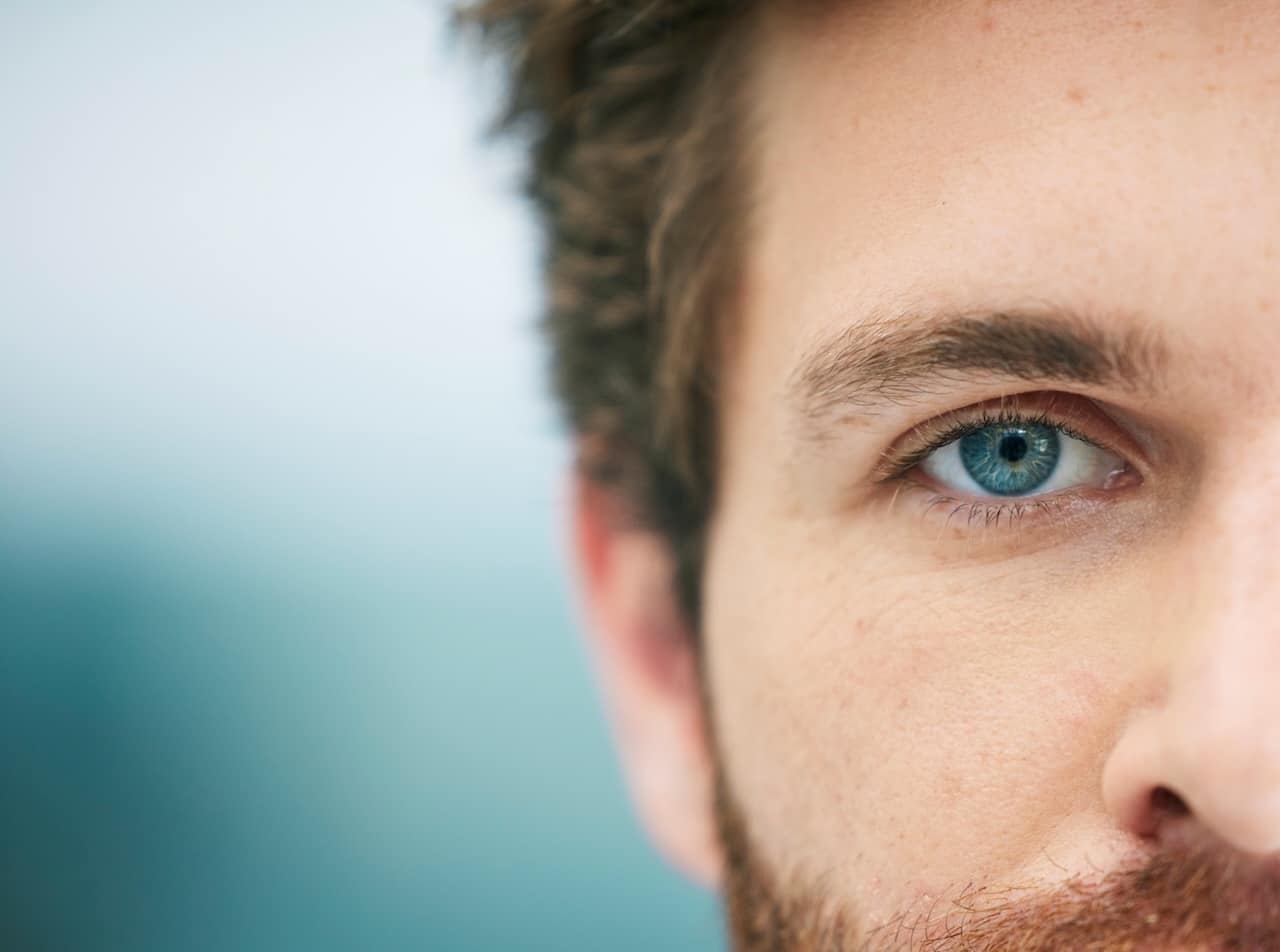
Do Your Eyes Make You Look More Tired Than You Feel?
The area around your eyes is often the first place to show signs of aging, and for many men that gap between how they feel and how they look can be frustrating. Male blepharoplasty at our Connecticut practice is one of the most popular facial procedures for men who want to close that gap.
Male blepharoplasty is eyelid surgery designed to remove excess skin, fat, and puffiness around the upper or lower eyelids. It directly targets the droopy lids and under-eye bags that make you look worn out, even when you feel sharp and well-rested.
The procedure uses small, well-hidden incisions and a conservative approach that preserves your natural features. Dr. Reilly can help you decide whether upper, lower, or combined eyelid surgery is the right fit for your goals.
Schedule a consultation and find out what eyelid surgery can do for you.
Male Blepharoplasty at a Glance
1-2 hours typically
Local with sedation
7-10 days or less
Hidden in eyelid crease
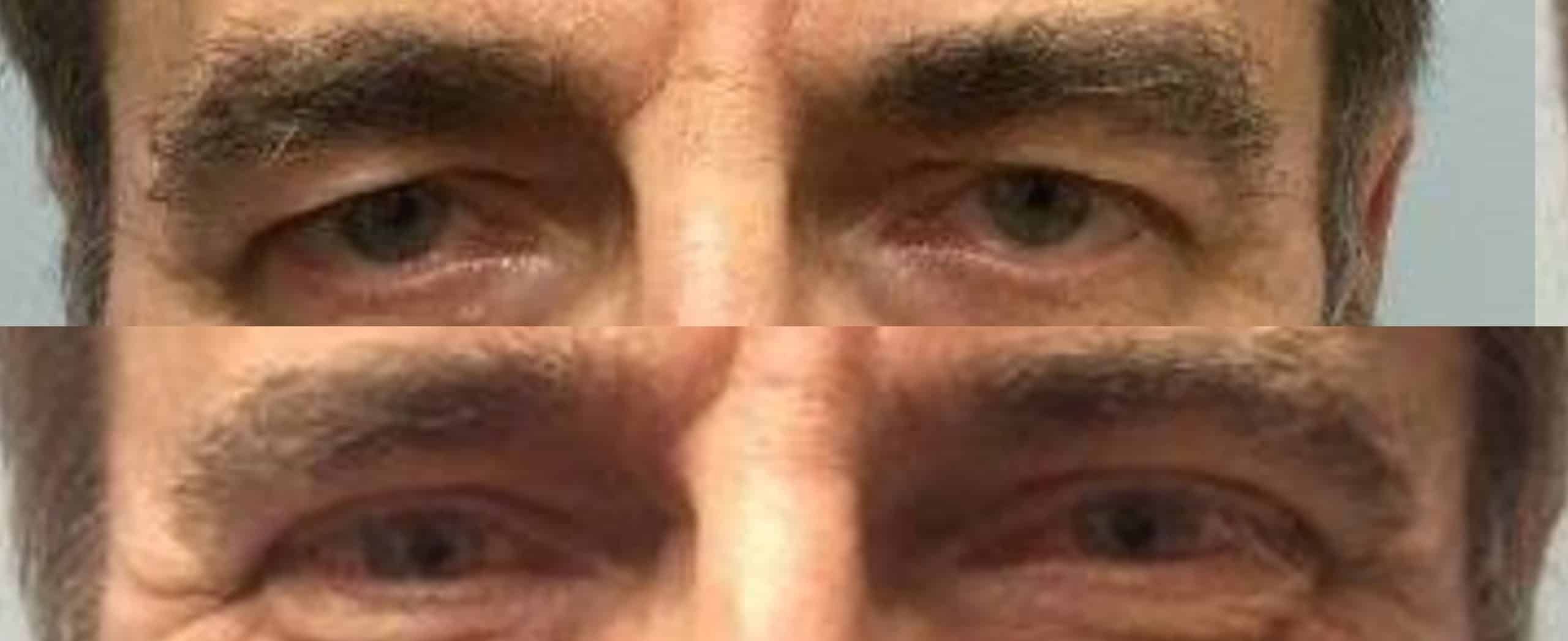
Benefits of Male Blepharoplasty
Male blepharoplasty offers several benefits that go well beyond the mirror. Here is what this procedure can do for you.
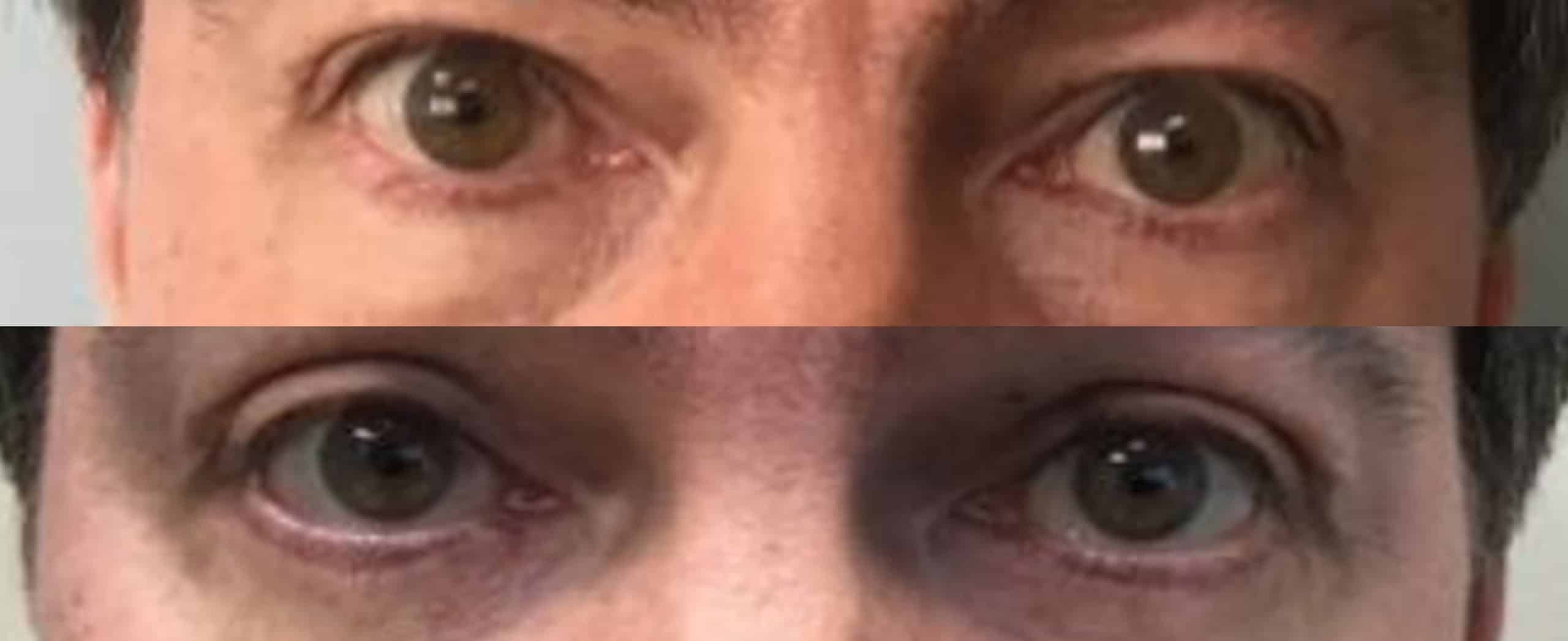
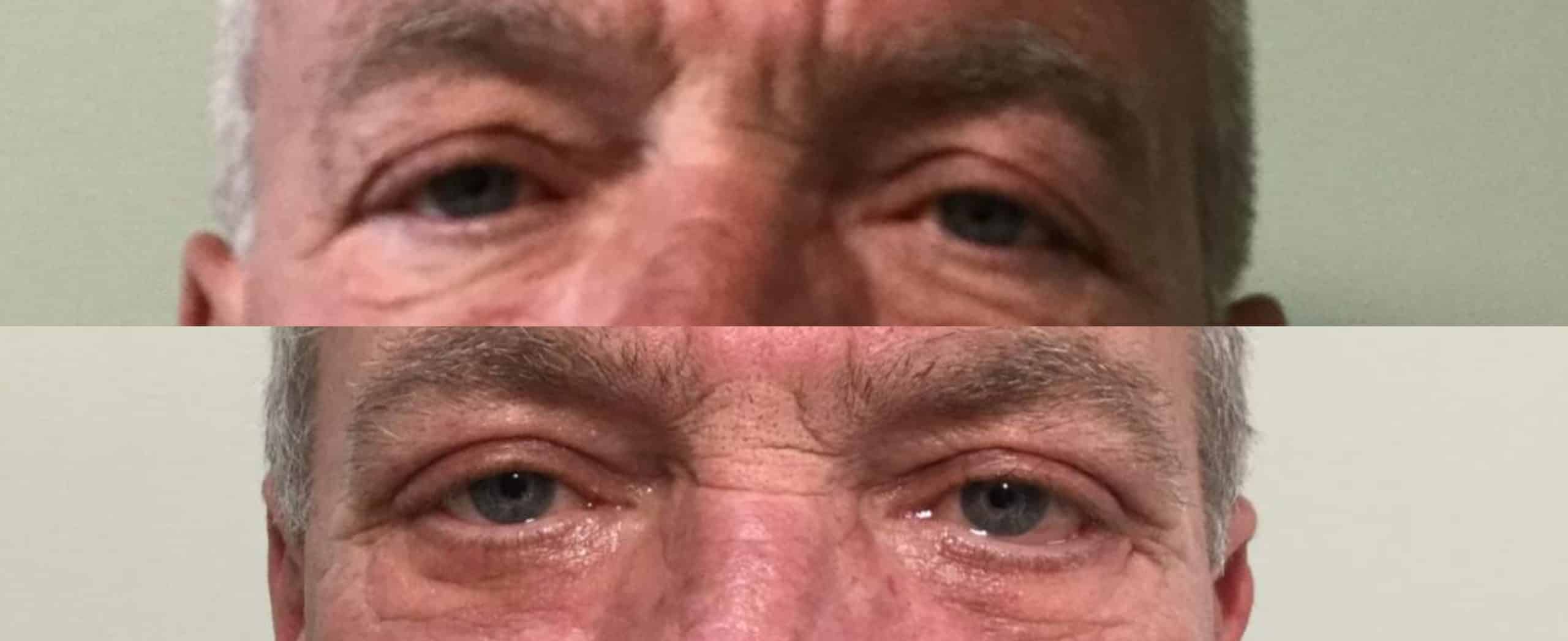
- A More Alert, Rested Appearance: Your eyes will look open, refreshed, and full of energy without the heavy or tired look.
- Improved Peripheral Vision: Sagging upper eyelid skin that blocks your side vision can be removed to help you see more clearly.
- A Subtle, Natural Change: Eyelid surgery is one of the least obvious cosmetic procedures, so your results look natural rather than "done."
- Stronger First Impressions: A refreshed eye area can make you look more engaged and confident in both professional and social settings.
- Results That Last for Years: Most men enjoy their results for a decade or longer, which makes this one of the most lasting facial procedures.
- Fast Recovery With Minimal Downtime: Most men are back to their daily routine within one to two weeks after the procedure.
Ideal Candidates
This procedure works best for men with specific concerns around the eye area that have developed over time. Let’s look at who typically qualifies.
Excess Skin on the Upper Eyelids
Sagging or hooded skin folds over your upper lash line and gives your eyes a heavy, tired look.
Puffy Bags Beneath the Eyes
Fat deposits under the lower lids create a swollen look that doesn’t go away with rest or sleep.
Blocked Peripheral Vision From Droopy Lids
Upper eyelid skin has drooped far enough to interfere with your side vision during daily tasks.
Dark Hollows Below Lower Lids
Deep shadows at the junction of the lower lid and cheek make your face look fatigued.
Signs of Aging Around the Eyes
You’re in your 30s to 60s and the eye area is aging faster than the rest of your face.
Good Skin Elasticity near Eyes
The skin near your eyes still has firmness to heal and conform to your new contour.
How Eyelid Surgery Reshapes the Male Eye Area
The skin around your eyes is the thinnest skin on your entire body. It sits over a layer of muscle called the orbicularis oculi, which helps you blink and squint. Behind the muscle, small pads of fat cushion and protect your eyes inside the eye socket.
As you age, this thin skin stretches and starts to fold over itself on the upper lids. At the same time, the muscle beneath it weakens, and the fat pads can push forward or shift out of place. This creates hooded upper lids and puffy bags below. In men, the eyelid skin tends to be thicker and heavier, which means these changes can be more noticeable and harder to ignore.
During upper eyelid surgery, excess skin is carefully marked and removed from the natural crease of the lid. For men, the incision is placed low in the crease to keep the result looking masculine rather than overly sculpted. Only the skin that’s truly needed is taken, so the eyes open up without looking hollow or surprised.
For the lower eyelids, Dr. Reilly may remove or reposition the fat pads that create bags and shadows. In some cases, a small amount of skin is also trimmed to smooth out the area. The goal is a clean, rested look that still feels like you.
Eyelid surgery for men is all about restraint. The best results are the ones where people notice you look great, but they can't quite put their finger on what changed.
— Dr. John Reilly
Upper and Lower Male Blepharoplasty
There are two main approaches to male eyelid surgery, and many men benefit from one or both depending on where their concerns are. The right technique depends on how the skin, muscle, and fat around your eyes have changed over time.
Upper Blepharoplasty
Upper blepharoplasty is the most common eyelid procedure for men. It removes the excess skin that folds over the upper lid and creates that heavy, hooded look. In some cases, small pockets of fat that cause puffiness near the inner corner of the eye are also trimmed or repositioned.
For men, the approach is more conservative than it would be for women. The incision is placed low in the natural crease of the eyelid to keep a strong, masculine look rather than a high or arched appearance. Less skin and fat are removed overall, which helps the eyes look refreshed without looking hollow or overdone.
The incision heals within the crease itself, so the scar is nearly invisible once it fades. Most men find that this procedure makes them look more alert and well-rested, and in some cases it also improves peripheral vision that was blocked by the drooping skin.
Lower Blepharoplasty
Lower blepharoplasty targets the bags, puffiness, and shadows that form beneath the eyes. These changes happen when the fat pads behind the lower lid shift forward or the skin loosens with age. The result is a tired, worn-out look that no amount of sleep can fix.
During the procedure, Dr. Reilly accesses the lower lid through a small incision just below the lash line or on the inside of the eyelid, depending on your needs. Fat pads are either removed or repositioned to fill in hollow areas and smooth out the transition from the lid to the cheek. If there is loose skin along the lower lid, a small amount may also be trimmed.
For men with puffiness but no excess skin, the incision can be made on the inside of the lid so there is no visible scar at all. This option offers a slightly faster recovery since the outer skin is left untouched. Either way, the goal is a cleaner, more rested lower eye area that matches the rest of your face.

What to Expect During a Consultation at Our Connecticut Office
When you come in for a consultation, Dr. Reilly will start by examining the skin, muscle, and fat around your upper and lower eyelids. He will assess how much excess tissue is present and discuss which areas would benefit most from treatment.
He will also evaluate your eyebrow position to make sure the issue is truly in the eyelids and not caused by a low brow. This step helps him recommend the right procedure and avoid an outcome that looks unnatural.
Our team will review your medical history, check your eye health, and answer any questions about the process. You’ll leave the Connecticut office with a clear picture of what to expect and a detailed plan for moving forward.
How to Prepare for Eyelid Surgery
Getting ready ahead of time helps your surgery day go smoothly and supports a faster recovery. Here is what to do before your procedure.
Eye Drop Supply
Pick up preservative-free lubricating eye drops before surgery to keep your eyes moist and comfortable during recovery.
Cold Compress Packs
Have gel-based cold compresses ready at home to help reduce swelling around your eyes after surgery.
Dark Sunglasses
Purchase a pair of wraparound sunglasses to protect your eyes from sun, wind, and dust after the procedure.
Elevated Sleep Setup
Arrange extra pillows so you can sleep with your head raised to help reduce swelling overnight.
Medication Review
Follow our Dr. Reilly’s directions about pausing blood thinners or certain supplements before your procedure date.
Ride Home
Have someone ready to drive you home, since your vision may be blurry after sedation wears off.
Our Connecticut team will make sure you feel fully prepared for your eyelid surgery.
Male Blepharoplasty Procedure Steps
Each male blepharoplasty follows a precise, step-by-step process designed to protect the delicate eye area. Here is what happens from start to finish so you know exactly what to expect.
Before anything begins, Dr. Reilly will carefully mark the skin on your upper and lower eyelids while you’re sitting upright. These markings outline exactly how much skin and fat will be addressed, and they serve as a precise guide for every incision. You’ll review the plan together before the procedure starts. This step is essential since eyelid skin shifts when you lie flat, so accurate markings must be made while gravity is in play.
Once you’re settled in, local anesthesia is applied to numb the skin around your eyes. You’ll also receive light sedation to help you feel calm and relaxed throughout the process. This combination means you won’t feel pain, but you’ll remain aware enough to follow simple instructions if needed. Our team monitors you closely the entire time. Within minutes, the area is fully numb and the procedure can begin.
A thin incision is made along the natural crease of the upper eyelid, placed low to preserve a masculine look. Through this opening, excess skin is carefully removed, and any bulging fat is either trimmed or repositioned. The incision follows the crease so closely that the scar becomes nearly invisible once it heals. This careful placement is what makes the results look natural rather than surgical.
For the lower eyelids, Dr. Reilly may make an incision just below the lash line or on the inside of the lid, depending on your needs. Fat pads that create bags or shadows are either removed or shifted to fill in hollow areas. A small amount of loose skin may also be trimmed to smooth the surface. This step creates a cleaner transition from the lower lid to the cheek.
After all adjustments are made, the incisions are closed with very fine sutures that follow the natural lines of your eyelids. These stitches are small enough to be nearly invisible, and most are removed within five to seven days. The suture lines sit inside the crease or along the lash line, which helps them blend in quickly as they heal. Internal sutures may also be placed to support the deeper tissue.
Once the procedure is complete, cool compresses are gently placed over your eyes to reduce swelling right away. You’ll receive detailed aftercare instructions before you head home, and most men feel well enough to leave within a short time. Your vision may be slightly blurry for the first few hours, which is normal and temporary. Our team will schedule a follow-up visit to check your healing and remove stitches.
Procedures Often Combined With Eyelid Surgery
Some men choose to pair eyelid surgery with another facial procedure to refresh the full eye and brow area at once. Here are the most common combinations.
Brow Lift
A brow lift is the most frequent procedure paired with upper blepharoplasty. In some cases, a heavy or low brow contributes to the hooded look just as much as excess eyelid skin. A brow lift raises the brow to its natural position, and the two procedures work together to fully open up the eye area.
Bleph Recovery Timeline
Recovery from male blepharoplasty at our Connecticut practice is typically quick, and most men are back to their normal routine within two weeks. Individual timelines vary based on whether upper, lower, or both eyelids are treated, so always follow your specific instructions.
Days 1-2
You’ll rest at home with cool compresses on your eyes and your head elevated. Swelling and bruising peak now, and prescribed eye drops keep things comfortable.
Days 3-5
Bruising shifts from purple to yellow and green as your body heals on schedule. Swelling eases, and most men feel much more comfortable by day five.
Days 5-7
Stitches are typically removed during a follow-up visit at this stage. Your eyes may still look slightly puffy, but real changes in openness become visible.
Weeks 2-3
Most visible bruising is gone and swelling continues to fade. You can return to work, light exercise, and social activities, though your eyes may still feel slightly tight.
Weeks 4-6
At this point, your eyelids look close to their final shape. Firmness along the incision lines continues to soften, and most men feel back to normal.
3-6 Months and Beyond
Your final results become clear as the tissue fully settles into place. Scars in the eyelid crease fade to thin, nearly invisible lines.
Dr. Reilly's Recovery Tips
- Apply cool compresses gently and often
- Use eye drops to prevent dryness
- Sleep elevated for the first week
- Avoid rubbing or touching your eyes
- Wear sunglasses outdoors for six weeks
Why Choose Dr. Reilly for Male Blepharoplasty
When it comes to eyelid surgery for men, the difference between a great result and an obvious one comes down to technique and restraint. Our board-certified surgeon brings focused experience in male blepharoplasty in Connecticut and a sharp eye for preserving masculine features.

Conservative, Masculine Results
He removes only the tissue that truly needs to go, which keeps the results looking natural rather than overdone. His approach preserves the strong, defined look that makes male eyelid surgery different from female.
Precise Incision Placement
Every incision is placed low in the eyelid crease to avoid a feminized look. He uses fine sutures and layered closures so scars fade quickly and stay hidden.
Careful Eye Area Expertise
The tissue around the eye is delicate, so precision matters more here than almost anywhere else on the face. His focused experience helps reduce risk and deliver clean results.
Frequently Asked Questions
Yes. Male eyelid surgery uses a more conservative approach to preserve a naturally masculine appearance around the eyes. The incision is placed lower in the crease, and less skin and fat are typically removed.
One of the biggest advantages of blepharoplasty is how subtle the results are. Most men hear comments like “you look well-rested” rather than anything about surgery.
Yes. If excess upper eyelid skin is heavy enough to block your side vision, removing that skin can improve your field of sight. In some cases, insurance may cover part of the cost for this reason.
Results typically last 10 to 15 years or longer for the upper eyelids, and even longer for the lower lids. Aging continues over time, but the improvement from surgery holds well for most men.
Most male blepharoplasty procedures are performed under local anesthesia with light sedation. General anesthesia may be used if the procedure is combined with other facial surgeries.
Most bruising fades within 10 to 14 days. Dark sunglasses can help you feel comfortable in public during the first week or two of healing.
Risks may include temporary dryness, minor swelling, sensitivity to light, or slight asymmetry. Serious issues are rare, and our team takes every step to keep the procedure safe.
Yes. Male blepharoplasty is commonly paired with a brow lift, facelift, or dermal fillers to refresh the full upper face at the same time. Dr. Reilly will help you decide the best plan for your goals.
Ready to get started?
Book your consultation with Dr. Reilly and begin your journey to renewed confidence.
Book online
Pick a date and time that works for you. Get confirmed instantly – no waiting for a callback.
- Instant confirmation
- CT and NH availability
- Takes under 60 seconds
Prefer to send a message?
Fill out the form below and we’ll get back to you soon.