
Lower Body Lift in Fairfield County, Connecticut
Expert lower body lift surgery in Trumbull and Fairfield County, CT, performed by board-certified plastic surgeon Dr. John Reilly.






Is Loose Skin Hiding the Body You Worked Hard to Earn?
After major weight loss, many people are left with heavy folds of skin that hang from their abdomen, hips, back, buttocks, and thighs. That extra skin can cause chafing, rashes, and constant discomfort, and it hides the results of all the effort you put into losing the weight. A lower body lift at our Connecticut practice removes that excess skin and reshapes your entire lower body in one surgery.
A lower body lift, also called a belt lipectomy or body lift, is a surgical procedure that addresses loose skin and tissue all the way around your midsection. It combines elements of a tummy tuck, buttock lift, and outer thigh lift into a single operation. Dr. Reilly tailors the procedure to your specific body so the results look balanced and proportional from every angle.
See the body your hard work built. Schedule your consultation today.

Lower Body Lift at a Glance
5-7 hours
General anesthesia
Typically 3-4 weeks
Circumferential along waistline
See the Results: Lower Body Lift Before & Afters in Trumbull

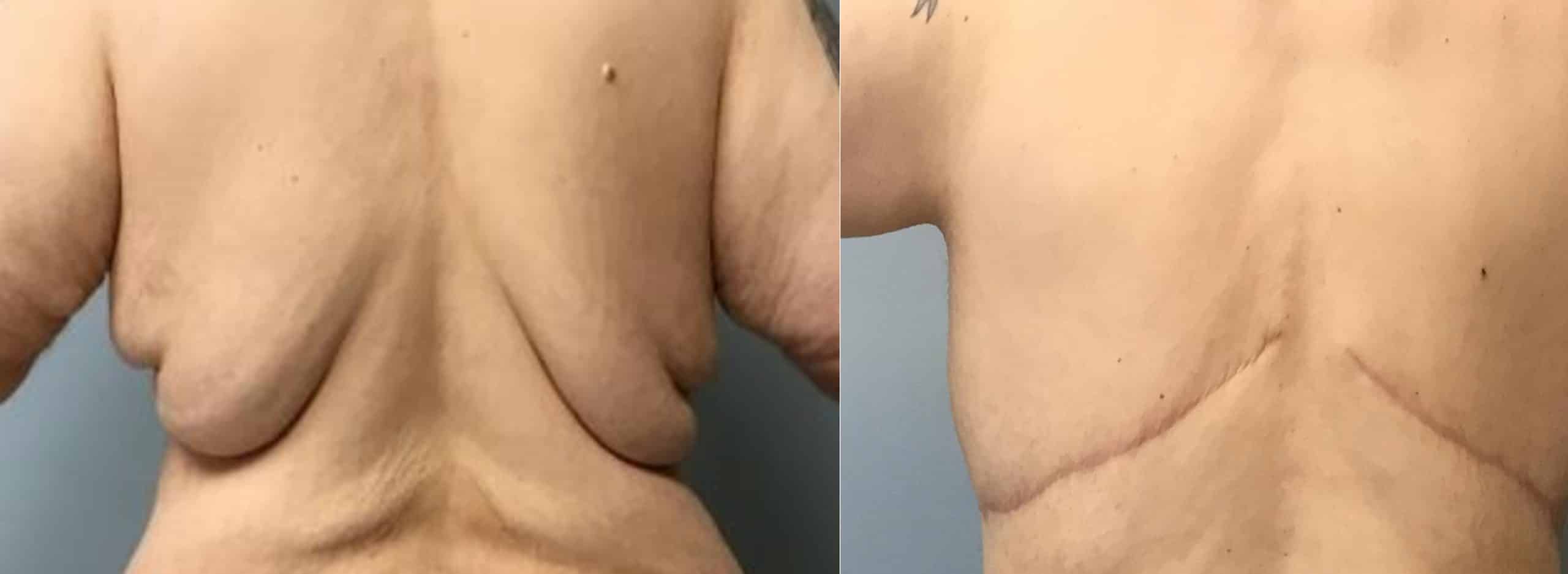
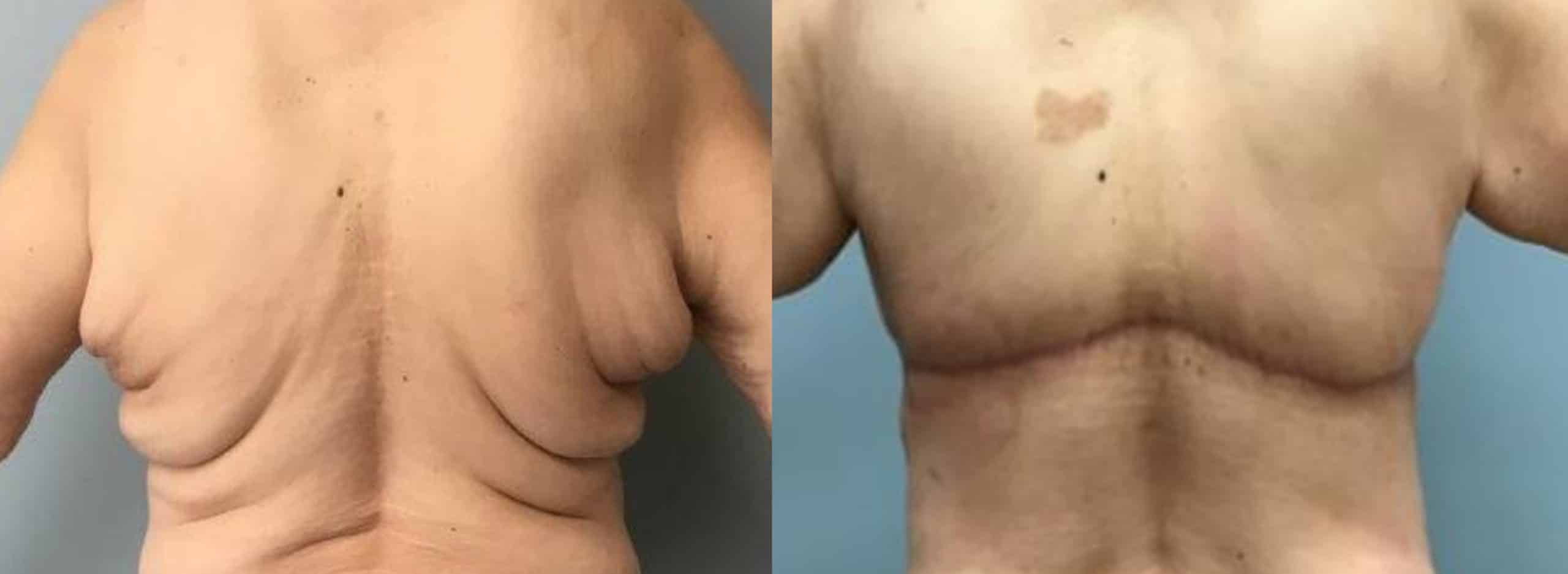
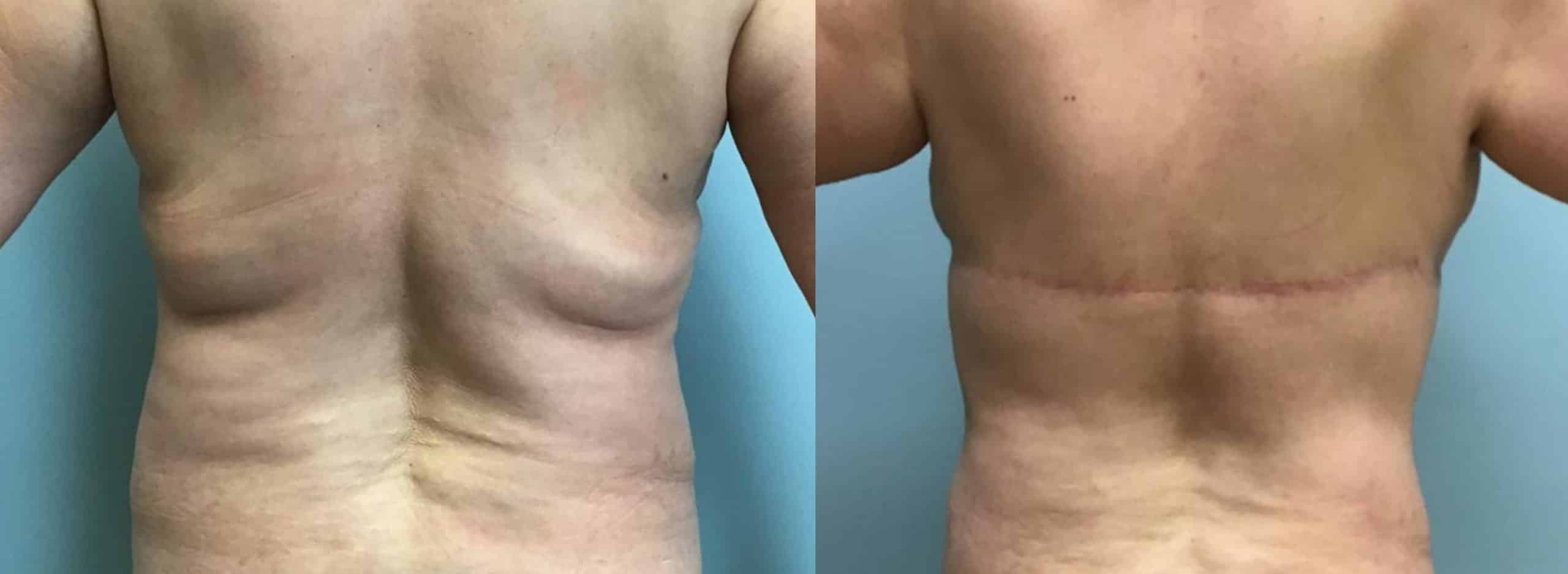



Benefits of a Lower Body Lift
A lower body lift delivers some of the most dramatic body contouring results available in plastic surgery. Here is what patients typically experience after the procedure.
- 360-Degree Body Contouring: Reshapes your abdomen, hips, lower back, buttocks, and outer thighs in a single surgery.
- Removal of Heavy, Hanging Skin: Gets rid of the excess skin folds that cause physical discomfort, chafing, rashes, and hygiene issues.
- A Lifted, Rounder Backside: Raises and tightens the buttocks as part of the circumferential lift, which improves shape and projection.
- Smoother Outer Thigh Contour: Lifts and tightens the outer thighs to reduce sagging and create a more defined transition from hip to knee.
- Tighter Abdominal Wall: Repairs separated or weakened abdominal muscles and removes stretched skin for a firmer, flatter stomach.
- One Recovery Period: Addresses the entire lower body at once instead of spreading the work across several separate surgeries.
Ideal Candidates
A lower body lift is best suited for patients who have significant excess skin around their entire lower body. Here are the factors Dr. Reilly evaluates.
Excess Skin Around the Full Waistline
You have loose, hanging skin that wraps around your abdomen, hips, lower back, and buttocks, not just the front.
Major Weight Loss of 100 Pounds or More
You lost a large amount of weight through bariatric surgery or lifestyle changes and are left with skin your body cannot tighten on its own.
Skin Folds That Cause Physical Problems
The hanging skin traps moisture, creates painful rashes, limits mobility, or makes daily hygiene difficult.
Sagging Buttocks and Outer Thighs
Your backside has flattened and dropped, and the outer thighs have lost their shape along with the rest of the lower body.
Stable Weight for at Least Six to Twelve Months
Your weight has been steady for an extended period, since continued weight loss or gain after surgery will affect your results.
Strong Enough Health for Extended Surgery
A lower body lift is a longer procedure than most, so your overall health must support several hours under anesthesia and a more involved recovery.
How a Lower Body Lift Reshapes Your Entire Midsection
When you carry a significant amount of extra weight, your skin stretches to cover it. The deeper layers of skin, the ones that give it structure and bounce, get damaged beyond repair. Once the weight comes off, what remains is a heavy curtain of loose tissue that hangs from the waistline in every direction.
This excess skin is not just a surface problem. It wraps all the way around the body, from the lower abdomen across the hips, around the back, and down over the buttocks and outer thighs. Underneath, the abdominal muscles may have weakened or separated. The fat layer is thinner but still uneven in places. The overall effect is a body that looks deflated and shapeless despite the weight loss.
A lower body lift corrects this with a single incision that circles the entire waistline, almost like a belt. Dr. Reilly makes the cut low enough to stay hidden under clothing and swimwear. He works his way around the body, removing the excess skin and the uneven fat beneath it, tightening the abdominal wall where needed, and lifting the remaining tissue upward. The buttocks are raised and reshaped as the back portion of the lift pulls the tissue up, and the outer thighs tighten as the skin on the sides is pulled smooth.
The result is a complete lower body transformation. Everything from the belly button down to the upper thighs is slimmer, tighter, and proportional.
Patients who have lost a hundred pounds or more have done something incredible. A lower body lift lets them finally see and enjoy the body they earned.
— Dr. John Reilly

What to Expect During a Consultation at Our Connecticut Office
During your consultation, Dr. Reilly will examine your lower body from every angle and assess how much excess skin you carry in each area. He will ask about your weight loss history, your current health, and which areas bother you the most.
Dr. Reilly will also discuss whether the procedure should be done in one stage or broken into two sessions based on the amount of work involved and your overall health. You will leave with a clear surgical plan, a realistic recovery timeline, and a full picture of what to expect.
We help manage all scheduling and pre-operative coordination from that point forward. Our practice works with you to make the logistics as simple as possible so you can focus on getting ready for surgery.
How to Prepare for Surgery
A lower body lift is one of the most involved body contouring surgeries, so thorough preparation is important. Here is what to do before your procedure.
Build Up Your Nutrition
Eat a protein-rich diet for several weeks before surgery to strengthen your body for the healing process and support tissue repair.
Set Up a Full Recovery Station
Arrange a recliner or adjustable bed with pillows, medications, water, and easy-to-reach supplies so you can rest without getting up often.
Compression Garments
You will wear a full-torso compression garment for several weeks, so having at least two allows you to wash and rotate them.
Prepare for Limited Mobility
Stock your home with pre-made meals, set daily items at waist height, and clear pathways so you can move safely while bent slightly forward.
Stop Blood Thinners
Our surgeon will provide a list of medications and vitamins to pause at least two weeks before your procedure.
Arrange Extended Help at Home
You will need someone with you around the clock for the first few days and available to assist with daily tasks for at least two weeks.
Thorough preparation sets the stage for a smoother lower body lift recovery in Connecticut.
Lower Body Lift Procedure Steps
A lower body lift is performed in stages that flow together over the course of one surgery. Here is what happens from start to finish so you know what to expect on the day of your procedure.
Before surgery begins, Dr. Reilly marks your entire lower body while you are standing upright. He draws the incision line all the way around your waistline and maps out exactly how much skin and tissue will be removed from each area. These markings are essential for symmetry and balance. Once the plan is confirmed, you are taken to the operating room and placed under general anesthesia so you are fully asleep for the entire procedure.
The surgery often begins with you positioned face-down on the operating table. The incision is made across the lower back, and excess skin and fat are removed from the back and flanks. At the same time, the tissue above the buttocks is lifted and anchored in a higher position, which raises and reshapes the backside. This stage creates the lifted buttock contour and smoother lower back that patients notice right away.
The surgical team then repositions you face-up. The incision continues across the lower abdomen, connecting to the back incision and completing the full circle around your body. Excess skin and fat from the front of the abdomen are removed, and the underlying abdominal muscles are tightened if they have separated or weakened. This step is similar to a tummy tuck and is what creates a firm, flat midsection.
With the front and back addressed, attention shifts to the sides. The skin and tissue along the hips and outer thighs are lifted, tightened, and smoothed as the circumferential incision brings everything together. Our surgeon removes excess tissue from the flanks and pulls the outer thigh skin upward so the transition from hip to thigh is clean and defined. This step ties the entire result together from front to back.
As the abdominal skin is pulled down and tightened, the belly button stays in its original position on the muscle wall. A small opening is made in the new skin so the belly button sits in a natural spot. Dr. Reilly shapes this opening so it looks smooth and even, which is a small detail that has a noticeable impact on how natural the final result appears.
The circumferential incision is closed in multiple layers with internal dissolvable stitches and fine surface sutures. Several small drains are placed beneath the skin around the waistline to prevent fluid buildup during the first one to two weeks. A full-torso compression garment is fitted over the entire surgical area to reduce swelling and support the new contour. You will wake up in the recovery area, and our team will monitor you closely before you are moved to a room for an overnight stay.
Procedures Often Combined
Many patients pair their lower body lift with other body contouring procedures to address areas the belt-line incision does not fully reach.
Medial Thigh Lift
A lower body lift tightens the outer thighs, but the inner thighs often need separate attention. A medial thigh lift removes excess skin from the inner thigh area and is commonly performed at the same time or as a second-stage procedure for a more complete lower body result.
Arm Lift (Brachioplasty)
Patients who have lost a large amount of weight often have loose, hanging skin on the upper arms as well. An arm lift removes that excess tissue and creates a smoother, firmer arm contour. It is one of the most common add-on procedures for post-weight-loss patients.
Breast Lift or Augmentation
Significant weight loss frequently affects the breasts, which can lose volume and sag. A breast lift raises and reshapes the breast tissue, and augmentation can restore fullness. This combination helps balance the upper and lower body for a more complete transformation.
Recovery Timeline
Every patient heals at their own pace, and your recovery from a lower body lift in Connecticut will depend on the extent of your procedure. Follow Dr. Reilly’s specific instructions for the best results.
Days 1-3
You will stay overnight in the facility for monitoring after surgery. Swelling, tightness, and discomfort are at their peak during this window. Drains remain in place, and you will wear your compression garment at all times.
Days 4-7
You will be home and resting with help. Swelling and bruising begin to improve, and short, slow walks around the house are encouraged several times a day. Some drains may be removed at your first follow-up visit during this week.
Weeks 2-3
Bruising fades and most remaining drains are removed. You will start to see the early shape of your new contour, though swelling still hides the final result. Light daily activities become easier, but you should still avoid bending, twisting, and lifting.
Weeks 4-6
You can typically return to desk work and most daily routines during this period. Swelling continues to go down, and you may transition to wearing your compression garment for fewer hours per day based on our surgeon’s guidance.
Months 2-3
The deeper tissue is largely healed, and your results become much more defined. You can resume exercise and gradually increase your activity level once our surgeon gives the green light at your follow-up visit.
Months 6-12
You will see your final results as the last traces of deep swelling resolve and your scars continue to mature. The scar around your waistline gradually fades and flattens into a thinner, paler line that sits hidden under most clothing.

Dr. Reilly's Recovery Tips
- Wear your compression garment around the clock
- Empty and track your drains as instructed
- Walk short distances several times each day
- Avoid bending at the waist early on
- Eat protein-rich meals to support healing
Why Choose Dr. Reilly for a Lower Body Lift
If you are considering a lower body lift in Connecticut, Dr. Reilly brings the surgical skill and endurance this extensive procedure requires. He approaches each case as a full-body sculpting project and plans the surgery to deliver balanced, proportional results from every angle. Here is what sets his approach apart.

Circumferential Precision
A lower body lift demands consistency all the way around the incision line. Dr. Reilly carefully maps and measures each section before surgery so the amount of tissue removed is even from front to back, which prevents asymmetry and creates a smooth, continuous contour.
Buttock Reshaping and Lift
The back portion of the incision is where the buttock lift happens. He strategically positions the lift to raise and reshape the backside so it has natural projection and fullness instead of the flat, deflated look that major weight loss often causes.
Post-Weight-Loss Expertise
Patients who have lost 100 pounds or more need a surgeon who understands how dramatically the body changes at that scale. Dr. Reilly plans each case around the specific skin distribution, tissue quality, and structural needs that are unique to post-weight-loss bodies.
Frequently Asked Questions
A tummy tuck addresses only the front of the abdomen. A lower body lift extends the incision all the way around the waistline to also reshape the hips, lower back, buttocks, and outer thighs in one surgery.
A lower body lift is not a weight loss procedure. The removed skin and tissue typically weigh between five and fifteen pounds, but the real benefit is the change in shape and contour rather than the number on the scale.
Yes. A lower body lift is a longer and more involved surgery than most body contouring procedures. Most patients stay one to two nights in the facility so the medical team can monitor your recovery closely.
The scar runs all the way around your waistline, similar to where a belt would sit. It is placed low enough to be hidden under most clothing, swimsuits, and underwear. The scar fades over time but will always be present.
Yes. A medial thigh lift, arm lift, and breast surgery are the most common add-on procedures. Dr. Reilly will discuss which combinations are safe and appropriate for your body during your consultation.
Most patients can resume light walking within the first week and return to full exercise around eight to twelve weeks after surgery. Our surgeon will clear you for specific activities based on how your healing is progressing.
A lower body lift is typically considered cosmetic, but some insurance plans cover part of the procedure if the excess skin is causing documented medical problems like chronic rashes or infections. It is worth checking with your insurance provider.
Most patients see a significant improvement within the first two months, but final results take six to twelve months to fully appear. Swelling resolves gradually, and the scar continues to fade and soften throughout the first year.
Ready to get started?
Book your consultation with Dr. Reilly and begin your journey to renewed confidence.
Book online
Pick a date and time that works for you. Get confirmed instantly – no waiting for a callback.
- Instant confirmation
- CT and NH availability
- Takes under 60 seconds
Prefer to send a message?
Fill out the form below and we’ll get back to you soon.