
Facial Fat Transfer in Fairfield County, Connecticut
Expert facial fat transfer in Trumbull and Fairfield County, CT, performed by board-certified plastic surgeon Dr. John Reilly.


Has Your Face Lost the Fullness It Once Had?
As you age, the fat beneath your skin gradually thins out, and areas like your cheeks, temples, and under-eyes start to look hollow or sunken. That loss of volume can make you appear tired or older than you actually feel. Facial fat transfer has become one of the most sought-after ways to bring back that natural fullness.
Facial fat transfer uses your body’s own fat to restore volume to your face. Fat is gently harvested from another area like the abdomen or thighs, purified, and then injected into the parts of your face that have lost their shape. Since the fat comes from your own body, the results look and feel natural.
The procedure takes about one to two hours and involves minimal downtime compared to more invasive facial surgeries. Dr. Reilly can help you decide which areas of your face would benefit most and how to get the look you want.
Schedule a consultation and discover what facial fat transfer can do for you.

Facial Fat Transfer at a Glance
1-2 hours
Local with sedation
5-7 days typically
Tiny, nearly invisible
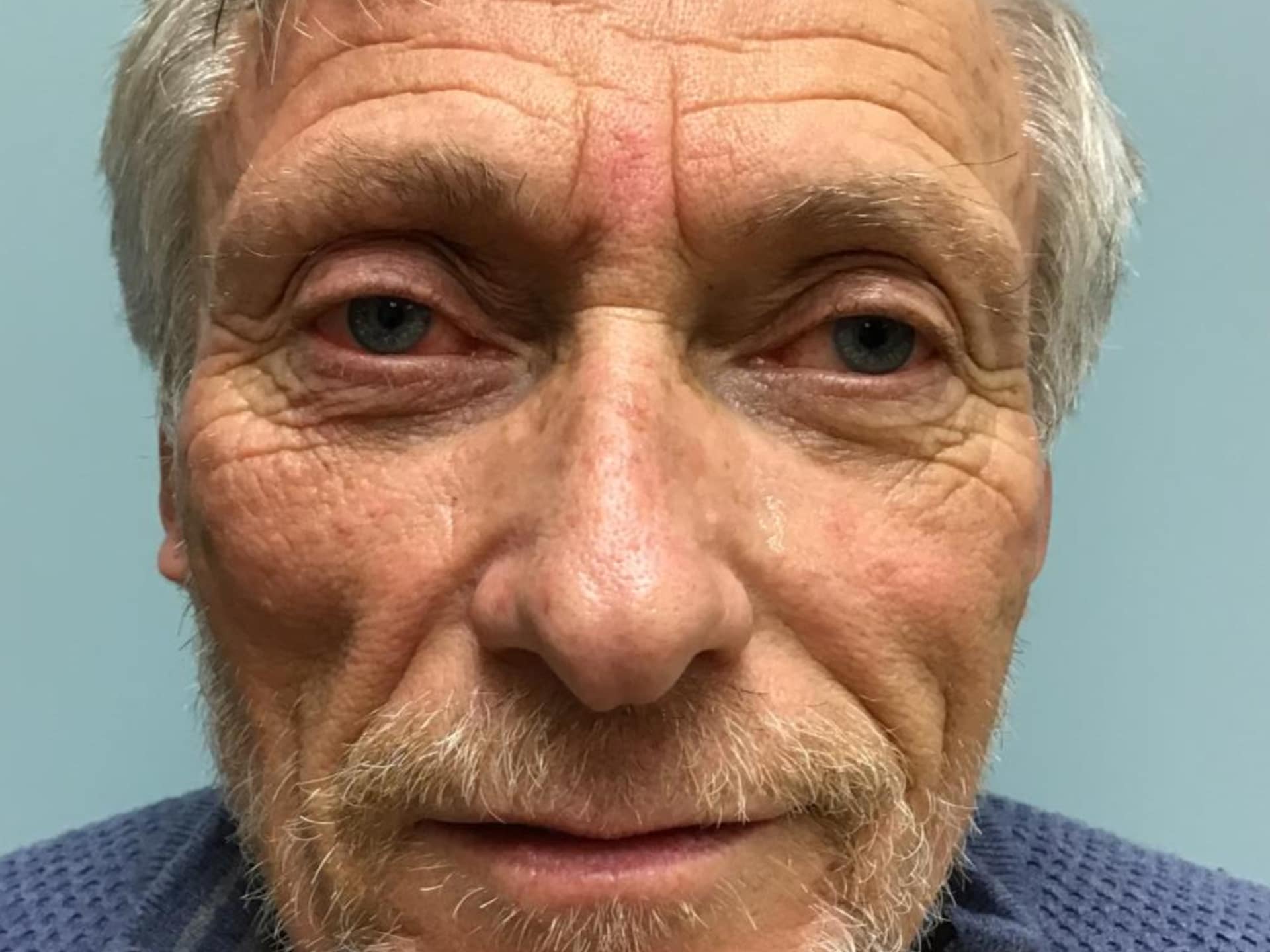
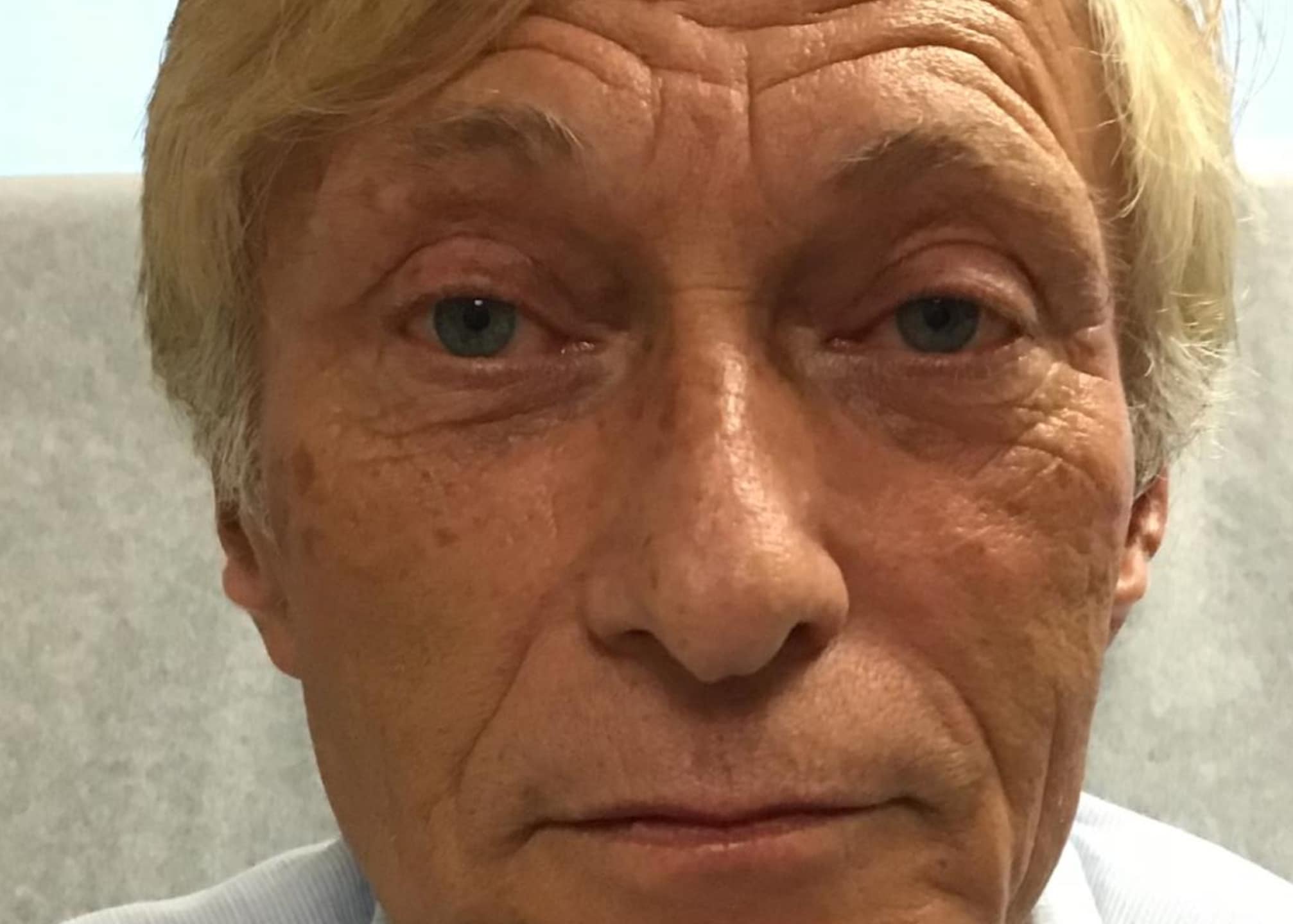
Benefits of Facial Fat Transfer
Facial fat transfer offers several benefits that set it apart from other volume-restoring treatments. Here is what this procedure can do for you.
- Restores Natural Facial Fullness: Lost volume in the cheeks, temples, and under-eyes is replaced with your own fat for a softer, fuller look.
- Results That Look and Feel Real: Since the fat comes from your own body, the texture of the treated areas feel completely natural.
- Longer-Lasting Than Dermal Fillers: Transferred fat can last for years, while most fillers need to be repeated every six to twelve months.
- Smoother Skin Texture and Quality: Advanced fat grafting techniques can improve fine lines and uneven tone in the treated areas.
- No Risk of Allergic Reaction: Your body won't reject its own fat, which removes the chance of an immune response or sensitivity.
- Two Benefits in One Procedure: Fat is removed from a trouble spot like the belly or thighs and used to improve your face at the same time.
Ideal Candidates
This procedure works best for people who have specific volume concerns in the face and enough donor fat to work with. Let’s look at who typically qualifies.
Hollow Cheeks or Sunken Temples
You’ve noticed that your mid-face or temple area looks flat or drawn compared to how it used to.
Deep Lines Near Nose and Mouth
Nasolabial folds or marionette lines have deepened as facial volume has thinned.
Dark Shadows Beneath the Eyes
Under-eye hollows create a tired or worn-out look that doesn’t improve with rest or skincare.
Enough Donor Fat for Harvesting
You have enough available fat on the abdomen, thighs, or hips for the transfer to work well.
Natural, Long-Term Option
You want results that last longer than fillers and are made from your own tissue rather than a synthetic product.
Good Health and Stable Weight
You’re healthy enough for a minor procedure and your weight has been consistent for a few months.
How Facial Fat Transfer Restores Volume to Your Face
Your face gets its shape from a combination of bone, muscle, and fat. The fat sits in small pads just beneath the skin and gives your cheeks, temples, and under-eye area their fullness and softness. Think of these fat pads as small cushions that support the surface of your face and keep everything looking smooth.
As you get older, these fat pads shrink and shift downward. The cheeks flatten, the temples become hollow, and deep lines form around the nose and mouth. The under-eye area can also look sunken or shadowed. These changes happen at different speeds for different people, but the overall pattern is the same: the face gradually loses the volume that once gave it a full, rested look.
During a facial fat transfer, fat is first harvested from a donor area like the abdomen or thighs using a gentle form of liposuction. The fat is then purified in a centrifuge to separate the healthy fat cells from fluid and other tissue. Once prepared, the fat is injected into the face in tiny droplets using a fine cannula.
This method allows our surgeon to build volume in layers, which gives the result a smooth, even look rather than a lumpy or overfilled appearance. The fat integrates with the surrounding tissue over time, and a portion of the transferred cells become a permanent part of your face.
Facial fat transfer is one of the most natural ways to restore what time takes away. The results don't look like you had something done. They look like you, just refreshed.
— Dr. John Reilly

What to Expect During a Consultation at Our Connecticut Office
When you come in for a consultation, Dr. Reilly will start by examining your face to identify where volume has been lost and which areas would benefit most from added fullness. He will also assess your donor areas to confirm there’s enough fat to work with.
He will explain the fat transfer process step by step and discuss how much volume is needed to achieve your goals. He will also cover what to expect in terms of recovery and how the results will look as they settle over time.
Our team will review your medical history and answer any questions about the procedure. You’ll leave our Connecticut office with a clear treatment plan and the confidence to move forward.
How to Prepare for Surgery
A little preparation ahead of time helps your procedure go smoothly and supports better fat survival. Here is how to get ready.
Avoid Sun Exposure
Limit direct sun on your face in the weeks before surgery so your skin is calm and healthy.
Stay Well Hydrated
Drink extra water in the days leading up to your procedure to support healthy skin and tissue.
Loose Comfortable Clothing
Wear soft, easy clothing on your surgery day since the donor area may be sore afterward.
Arnica Supplement
Ask our surgeon about starting arnica before surgery to help reduce bruising on the face and donor site.
Medication Review
Follow our surgeon’s directions about pausing blood thinners or certain supplements before your procedure.
Ride Home Arranged
Have someone ready to drive you home, since you’ll feel groggy from sedation after the procedure.
Our Connecticut team will make sure you feel fully prepared for your facial fat transfer.
Facial Fat Transfer Procedure Steps
Each facial fat transfer follows a careful, multi-step process to give you the most natural and lasting result. Here is what happens from start to finish so you know exactly what to expect.
Before the procedure begins, Dr. Reilly will examine your face and mark the areas where volume will be added. He will also mark the donor site where fat will be harvested. You’ll review the plan together to make sure it reflects your goals and the look you want. This step sets the foundation for a result that looks balanced and natural.
Once you’re settled in, local anesthesia is applied to both the donor area and the face. You’ll also receive light sedation to keep you calm and comfortable throughout the procedure. This means you’ll be awake but relaxed and won’t feel any pain. Our team monitors you from start to finish to make sure you stay safe and at ease the entire time.
A small incision is made at the donor site, typically on the abdomen or thighs. A thin cannula is inserted to gently loosen and suction out a small amount of fat. This step uses a gentler form of liposuction to protect the fat cells so more of them survive once transferred. The incision is tiny and leaves little to no visible mark once healed.
The harvested fat is placed into a centrifuge, which spins it at a controlled speed to separate the healthy fat cells from oil, fluid, and damaged tissue. Only the strongest, most intact cells are kept for the transfer. This step is critical since the quality of the fat directly affects how long your results will last and how natural they look.
The purified fat is loaded into a fine syringe and injected into the marked areas of your face in tiny droplets. Our surgeon builds volume in thin layers rather than large deposits, which creates a smooth and even result. Each area is filled gradually and checked from multiple angles to confirm symmetry. This layered approach helps more of the fat survive and settle naturally.
Once all areas have been treated, Dr. Reilly reviews the result from every angle and makes any last fine adjustments. The tiny incision at the donor site is closed, and no stitches are typically needed on the face. You’ll receive clear aftercare instructions and can head home the same day. Our team will schedule a follow-up visit to check your healing and see how the fat is settling.
Facial Fat Transfer Techniques
There are a few different approaches to fat grafting, and the right one depends on the area being treated and what you’re trying to achieve. Here is a look at the most common options.
Microfat Grafting
Microfat grafting is the most common technique for restoring facial volume. Small fat particles are harvested with a fine cannula and injected in precise layers to rebuild fullness in areas like the cheeks, temples, and jawline. This approach provides structural support and lasting volume where the face has thinned the most.
Nanofat Grafting
Nanofat grafting uses fat that has been filtered into an even finer form. It’s ideal for improving skin quality rather than adding volume. Nanofat is rich in stem cells and growth factors that help smooth fine lines, improve skin texture, and reduce dark circles. It’s often used around the eyes and on areas with crepey or thin skin.
Structural Fat Grafting
Structural fat grafting uses slightly larger fat parcels and a precise injection pattern to rebuild deeper facial contours. This technique works well for filling significant hollows and reshaping the overall structure of the face. It’s often chosen for patients who have experienced major volume loss over time.
Recovery Timeline
Recovery from facial fat transfer at our Connecticut practice is generally quick, and most patients are back to their regular routine within a week or two. Individual timelines vary based on how many areas are treated and your body’s healing pace, so always follow your specific instructions.
Days 1-3
Swelling peaks and your face may look overly full at first. This is intentional and will settle as your body absorbs extra fluid.
Days 4-7
Swelling and bruising fade, and you’ll start to feel more like yourself. Most patients return to work and light social activities by day seven.
Weeks 2-3
The puffy look continues to settle and your natural contours start to show through. Donor site soreness fades as healing progresses.
Weeks 4-6
Your face looks noticeably smoother and fuller at this stage. The surviving fat cells build their own blood supply and integrate with the tissue.
2-3 Months
By this point, you can see how much fat has taken hold. Results look soft and natural, and our surgeon can assess if a touch-up is needed.
6 Months and Beyond
Your final results are fully visible and the fat has fully integrated. Scars at the donor site and injection points fade to nearly invisible marks.

Dr. Reilly's Recovery Tips
- Avoid pressing or rubbing your face
- Sleep elevated for the first week
- Skip intense exercise for two weeks
- Stay hydrated to support fat survival
- Protect treated skin from direct sun
Why Choose Dr. Reilly for Facial Fat Transfer
Facial fat transfer is as much an art as it is a procedure, and the final result depends on how precisely the fat is placed and how well it matches your natural contours. Our board-certified surgeon brings focused experience in facial fat transfer in Connecticut and a refined approach to volume restoration.

Layered, Natural Volume Placement
He injects fat in microdroplets across multiple layers to create smooth, even fullness that avoids the overfilled look. Every area is built up gradually to match the natural shape of your face.
Refined Harvesting and Purification
Dr. Reilly uses gentle liposuction and careful centrifuge processing to protect the fat cells, which helps more of them survive the transfer. Higher cell survival means longer-lasting, more predictable results.
A Trained Eye for Facial Balance
He evaluates your entire face as a whole rather than treating areas in isolation. This means every area of added volume works together to create a refreshed, balanced look that suits your features.
Frequently Asked Questions
Results typically last for years since the surviving fat cells become a permanent part of your face. However, natural aging continues over time, and some patients choose a small touch-up down the road.
Dermal fillers use synthetic materials and typically last six to twelve months before they dissolve. Fat transfer uses your own tissue, lasts much longer, and can also improve your skin quality.
On average, about 50 to 70 percent of the transferred fat survives long-term. Our surgeon accounts for this by slightly over-filling the treated areas so the final result looks right once it settles.
Yes. Some initial fullness and puffiness are expected since the face is intentionally over-corrected. This settles within a few weeks as swelling goes down and a portion of the fat is naturally absorbed.
The incisions at the donor site and on the face are very small. They typically heal into faint marks that are difficult to see, and most patients report no visible scarring once fully healed.
The most common treatment areas include the cheeks, temples, under-eyes, nasolabial folds, jawline, and lips. Our surgeon will recommend which areas would benefit most based on your facial structure.
Yes. Combining fat transfer with a facelift is one of the most popular pairings in facial surgery. The facelift tightens and lifts, while the fat restores the volume that gives the face a fuller, softer look.
Most patients report only mild discomfort. Local anesthesia with sedation keeps you comfortable during the procedure, and any soreness at the donor site or face afterward is typically managed with over-the-counter pain relief.
Ready to get started?
Book your consultation with Dr. Reilly and begin your journey to renewed confidence.
Book online
Pick a date and time that works for you. Get confirmed instantly – no waiting for a callback.
- Instant confirmation
- CT and NH availability
- Takes under 60 seconds
Prefer to send a message?
Fill out the form below and we’ll get back to you soon.