
Tummy Tuck Revision in Fairfield County, Connecticut
Expert tummy tuck revision in Trumbull and Fairfield County, CT, performed by board-certified plastic surgeon Dr. John Reilly.


Unhappy With Your Tummy Tuck Results?
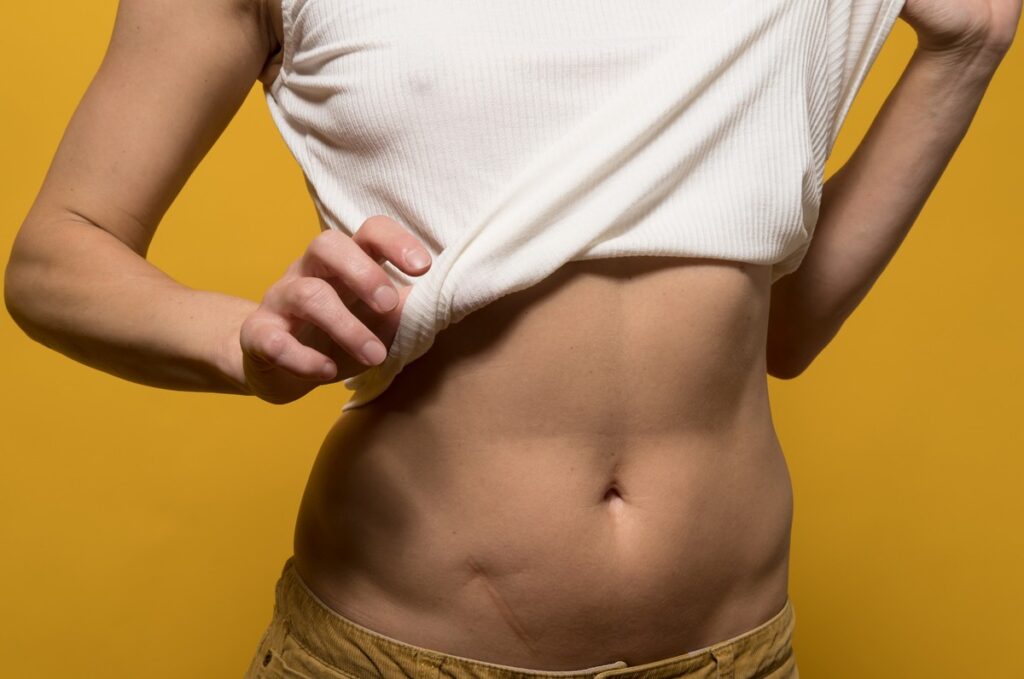
A tummy tuck is supposed to be the end of the problem, so it stings when the shape still is not right months later. Tummy tuck revision patients across Connecticut usually arrive with one specific thing bothering them rather than a general complaint.
A tummy tuck revision is a second operation that corrects what the first one left behind, whether that is a scar sitting too high, skin bunched at the hips, or a stomach that never went flat. Dr. John Reilly performs these for his own patients and for people who had their original surgery somewhere else.
Most revisions reopen the original incision, so the old scar tissue is cut away and no new line gets added. Dr. Reilly works from your first operative report when it is available, since what was done underneath changes the plan.
Book a consult with Dr. Reilly and find out what can still be corrected.

Tummy Tuck Revision at a Glance
1 to 4 hours
Usually general anesthesia
Typically 1 to 2 weeks
Along the existing scar line


Benefits of a Tummy Tuck Revision
A tummy tuck revision offers several benefits that go past appearance into how the result holds up long term.
- A Lower, Thinner Scar: The old scar comes out and the new line typically sits under your waistband.
- Smooth Hips Without Dog Ears: The bunched skin at each hip bone is removed so the waist looks even.
- A Belly Button That Looks Normal: A wide or off-center navel can be reshaped into something that looks natural again.
- The Flat Stomach You Expected: Loosened muscle stitches get redone, which finally takes out the bulge that stayed.
- Better Balance Side To Side: Uneven skin removal from the first surgery can be corrected so both sides match.
- One Recovery Instead Of Several: Multiple corrections get handled in a single operation rather than spread across years.
Ideal Candidates for a Tummy Tuck Revision
A revision works best once healing is fully done and the problem is clearly structural. Here is what Dr. Reilly looks for.
Six Months Past Your First Surgery
Swelling has settled, so what you see now is what a revision has to work with.
A Scar That Sits Too High
The line shows above underwear or a swimsuit, and enough skin remains to bring it lower.
Dog Ears At The Hips
Puckered skin at either end of the scar that never flattened out as swelling went down.
A Bulge That Never Went Away
The upper abdomen still pushes forward, which points to a muscle repair that did not hold.
A Misshapen Or Off-Center Navel
The belly button healed wide, scarred, or pulled to one side after the first surgery.
Enough Loose Skin To Work With
There is still slack in the tissue, since a revision needs skin in order to change anything.
How a Revision Resets Your Abdominal Repair
Your abdominal wall is built in layers, and a tummy tuck touches every one of them. Skin sits on top, fat sits under that, and a sheet of muscle runs beneath both.
The first surgery pulled the skin down and stitched the two muscle columns together in the middle. Those stitches carry real tension, so they can loosen or pull through over the years that follow. When that happens the wall bows forward again, and the stomach looks rounder even though the skin on top is still tight.
Healing adds a second problem. Wherever the first surgery lifted tissue, your body laid down scar to seal the space back together. That scar works like glue between layers that used to slide freely, and it is stiffer than the tissue around it.
A revision treats both. Dr. Reilly cuts out the old scar line, separates the stuck layers again, and retightens the muscle stitches where they gave way. Then the skin is drawn down and trimmed a second time, which is how the scar ends up sitting lower than it did. How far it can come down depends on how much skin you have left, since the first surgery already spent some of it.
"Patients who come to us for a revision are often frustrated they have to go through this again. We take the time to understand what went wrong so the second surgery is the last one."
— Dr. John Reilly

What to Expect During a Consultation at our Connecticut Office
Dr. Reilly examines your abdomen standing and lying down, and he pays close attention to where the scar sits against the clothes you actually wear. He also feels along the muscle wall while you tense to check whether the original repair held.
Bring your operative report from the first surgery if you can get a copy, since it tells Dr. Reilly what was done underneath. He then walks you through which concerns can be fixed and which are limited by the skin you have left.
Our practice sees a fair number of second opinions from patients whose first surgery happened somewhere else. You leave with a plain list of what a revision would and would not change.
How to Prepare for Your Tummy Tuck Revision
A revision asks for a little more homework than a first tummy tuck, mostly because the plan depends on what already happened. Here is where to start.
Operative Report
Request records from your first surgeon early, since offices can take weeks to send them.
Scar Photos
Take clear photos of the current scar in daylight so changes are easy to compare later.
Binder Ready
Have your compression binder washed and waiting, since you will wear it straight from surgery.
Silicone Supplies
Buy silicone sheets or gel now so scar care can start as soon as you are cleared.
Stop Smoking
Quit nicotine at least four weeks out, since scarred tissue heals with less blood supply.
Line Up Help
Arrange a ride home and someone to handle lifting for the first two weeks.
Patients across Fairfield County find tummy tuck revision recovery easier with this done first.
Your Revision Surgery, Step by Step
A revision follows the same general path as your first surgery, with more attention paid to what is already there. Let’s break it down.
Revision starts before the operating room, since Dr. Reilly marks your abdomen while you stand and notes exactly where the old scar sits. He also maps the dog ears at the hips and the spot where the bulge starts. These marks matter more in a revision than a first surgery. Skin is limited the second time around, so every inch that comes off has to be planned in advance.
Most revisions run under general anesthesia, though a small scar-only correction can sometimes be done with local numbing in the office. The anesthesia team reviews your history and how you handled the first surgery before anything begins. Once you are asleep, your vital signs are tracked the whole time. Leg compression sleeves and warming blankets go on, the same as they did for your original tummy tuck.
Dr. Reilly reopens the original incision rather than adding a new one, so you do not end up with a second line across your abdomen. The old scar tissue itself gets cut out and thrown away, which is often the single biggest improvement in the final look. Underneath, the tissue planes are stiffer than they were the first time. This means the dissection moves slower and more carefully than a first tummy tuck.
With the skin lifted, Dr. Reilly checks whether the muscle repair from your first surgery held. Stitches that loosened get redone, and if the sides still bulge he can add a second line of tightening along the oblique muscles. This is the step that takes a stomach from flatter to actually flat. Any hernia or gap that was missed the first time gets closed here as well.
Dog ears sit at the outer ends of the scar, where skin bunches up into a small bulge over the hip bone. Dr. Reilly extends the incision slightly past each one and removes that wedge of skin so the line lies flat. At the same time, liposuction along the flanks and upper abdomen blends any thickness that the first surgery left behind. The waist finally reads as one continuous curve.
Before closing, Dr. Reilly repositions the line as low as your remaining skin will allow, which is how a high scar gets brought back under the waistband. The belly button is reshaped at this point if the first one healed wide or sits off center. Closure happens in layers so the deep stitches hold the tension. A drain usually goes in, and your binder is fitted before you wake up.
Tummy Tuck Revision Recovery Timeline
Recovery from a tummy tuck revision in Connecticut moves a little differently than the first time, since swelling tends to stick around while scarred tissue settles. Follow-up visits get spaced so patients who drive in from farther parts of the state are not making the trip every week.
Days 1-3
You’ll feel tightness more than sharp pain at this stage, and you can walk short distances. Rest bent at the hips in a recliner.
Days 4-7
Drain output falls during this period and showering is usually cleared. Swelling can look worse than it did after your first surgery, which is normal.
Week 2
Drains typically come out and desk work becomes realistic. You’ll notice the new scar line sits lower than the one it replaced.
Weeks 3-4
Most patients return to light exercise at this stage and swelling starts to drop. Scar tissue underneath can still feel firm and lumpy for a while.
Weeks 6-8
You can usually resume full workouts by this point, though core work returns last. Silicone sheets or tape on the scar typically start around now.
6 Months and Beyond
The revised scar keeps fading through the first year and often settles thinner than the original. Numbness across the lower abdomen fades slowly at this stage.
Dr. John Reilly's Recovery Tips
- Start silicone on the scar once cleared
- Keep the binder on constantly
- Log drain output twice daily
- Walk short distances every few hours
- Hold off on core work longest
Why Choose Dr. Reilly for a Tummy Tuck Revision
Dr. John Reilly treats a revision as a different operation from a first tummy tuck, since the tissue, the scar, and the limits are all different.

Lowering A High Scar
Dr. Reilly measures how much skin is left before he commits to a new scar position. When there is enough, the line comes down under the waistband and the old scar is removed outright.
Rebuilding A Failed Repair
Loosened muscle stitches get replaced, and Dr. Reilly can add tightening along the oblique muscles when the sides still push out. That is what takes the remaining bulge out of your profile.
Safe Work In Scarred Tissue
Second surgeries move through stiffer tissue with a weaker blood supply. Dr. Reilly dissects slowly through those planes and limits how much he lifts at once, which protects healing along the incision.
Frequently Asked Questions About Tummy Tuck Revision
Most surgeons want you at least six months out, and many prefer a full year. Swelling and scar tissue keep changing during that window, so an early revision can correct something that would have settled anyway.
Most patients report less pain than their first surgery, since the muscle repair is usually smaller the second time. The tradeoff is that swelling can look worse and stick around longer.
Often yes, though it depends on how much loose skin you still have to work with. Dr. Reilly measures that at your visit before he commits to a new scar position.
Dog ears are the small puckers of skin left at each end of the incision, usually right over the hip bones. They are removed with a short extension of the original scar rather than a new cut.
The most common reason is a muscle repair that loosened or did not extend far enough up the abdomen. Fat left in the upper abdomen and normal swelling can also be responsible during the first year.
A wide, scarred, or off-center navel can usually be reshaped during a revision. Results depend on how much healthy tissue surrounds it, so the improvement varies from person to person.
Revision of a cosmetic tummy tuck is cosmetic as well, so insurance does not cover it. A documented complication such as a hernia may be handled differently by some plans.
Most patients are back at desk work in one to two weeks and cleared for full exercise around six weeks. A scar-only revision is much shorter, often just a few days of downtime.
Ready to get started?
Book your consultation with Dr. Reilly and begin your journey to renewed confidence.
Book online
Pick a date and time that works for you. Get confirmed instantly – no waiting for a callback.
- Instant confirmation
- CT and NH availability
- Takes under 60 seconds
Prefer to send a message?
Fill out the form below and we’ll get back to you soon.