
At Dr. John Reilly MD Plastic Surgeon, many patients come to us looking for confidence and comfort after significant weight loss or aging. Loose skin on your inner thighs can make it difficult to feel at ease in clothing and may even lead to health concerns such as chafing.
A medial thigh lift can help you achieve smoother and firmer thighs that better match the rest of your body. Our Connecticut surgical team specializes in techniques that create natural results while keeping your safety and personal goals front and center. If you are curious about how this procedure could work for you, our guide below covers everything you need to know as you consider your options.
Key Takeaways
-
Purpose of a Medial Thigh Lift: This procedure aims to remove loose skin and excess fat from the upper, inner part of the thighs for improved contour.
-
Ideal Candidates: The best results come for patients with sagging or excess skin in the inner thighs who have already reached a stable weight.
-
Surgical Technique: The technique involves incisions in the groin or thigh crease, which lets the surgeon excise skin and often tighten the remaining tissues.
-
Recovery Details: Most people return to routine activities in about two weeks, with swelling and bruising improving steadily as healing progresses.
-
Risks to Consider: All surgery carries risks such as infection or scarring, but diligent aftercare and good health can help you minimize complications.
-
Improved Comfort and Confidence: Patients frequently report more comfortable movement, less chafing, and greater comfort in fitted clothing after healing.
-
Long-Term Benefits: Results last when patients maintain stable weight, a healthy lifestyle, and good skin care habits.
What Is a Medial Thigh Lift?
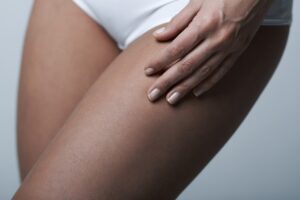
A medial thigh lift is a surgical procedure that targets the inner thighs, focusing on reshaping and tightening this specific area. Our surgeon removes extra skin and, in some cases, fat, which creates a more toned look. Many patients find that this gives clothing a better fit and helps them feel comfortable during physical activity.
Loose or sagging skin in the thigh area can occur after major weight loss or as part of the natural aging process. While exercise can strengthen muscles, it cannot reverse loose skin or deal with fat deposits that do not respond to lifestyle changes. A medial thigh lift directly addresses these issues by reshaping the tissue.
How the Procedure Works
The surgery itself is carried out under anesthesia for your comfort. Our doctor uses specific incisions designed to hide scars within the natural contours of your upper thighs.
The process involves removing a segment of skin and, when needed, some underlying fat. When required, our surgical team will use liposuction methods as a supplement. After the removal, the skin is re-draped so that the overall contour becomes smooth.
Dr. John Reilly MD Plastic Surgeon uses careful closure techniques to keep scars minimal and to support good healing. You can learn more details about your surgical options during a consultation.
Reasons Patients Choose a Medial Thigh Lift
Patients select a medial thigh lift for many reasons. You might feel annoyed by constant friction or chafing between the thighs, especially during walking or exercise. Difficulty wearing certain types of clothing can also lead people to seek surgical help.
In addition, the appearance of excess skin on the thighs often leads to self-consciousness or frustration even after a successful weight loss journey. Many people want the full benefits of their weight loss to be visible in their legs and lower body.
Who Is a Good Candidate for a Medial Thigh Lift?
You may be an ideal candidate for a medial thigh lift if you struggle with loose or sagging inner thigh skin. Patients who are in good overall health and maintain a stable weight see the best outcomes.
Certain factors influence candidacy for this procedure. Our surgeon at our Connecticut office will review your health history and goals with you before making a recommendation.
Signs That You May Benefit
Several signs point to the potential value of a medial thigh lift:
-
Loose, hanging inner thigh skin: This often appears after major weight changes or with normal aging.
-
Persistent discomfort or chafing: This leads to irritation and difficulty during everyday activities.
-
No improvement from diet and exercise: Even after your best efforts, some areas do not respond.
-
Desire for better leg contours: Achieving a balanced, toned appearance in the thighs is a common goal.
A consultation at Dr. John Reilly MD Plastic Surgeon helps determine your suitability and customize a surgical plan.
Types of Thigh Lifts
You can choose from several surgical approaches, which allow our team to personalize the best plan for your unique needs. Each method differs based on incision placement and the amount of tissue removed.
Common Thigh Lift Techniques
You will see several main types of thigh lift procedures:
-
Medial (Inner) Thigh Lift: This is the most common approach, addressing the upper inner thigh by placing an incision along the groin crease. The surgeon lifts and firms the area while keeping scarring as hidden as possible.
-
Vertical Thigh Lift: When patients have a significant amount of skin to remove, this extended technique involves a longer incision along the inner thigh from the groin to the knee. It gives greater access but may produce a more visible scar.
-
Lateral or Outer Thigh Lift: For those with laxity toward the outer thigh or hips, this method targets the outer region. The incision runs along the outer thigh, often paired with other leg procedures.
-
Combination Approaches: Sometimes, our surgeon combines elements of these techniques for a customized result. Procedures such as liposuction can also be paired with a thigh lift in certain cases.
Our team recommends the best technique for your anatomy and goals after your consultation.
The Medial Thigh Lift Surgical Process
When you decide to move forward with a medial thigh lift, you can expect a thorough and caring approach at every stage.
Preoperative Consultation and Preparation
Your first visit will include a full evaluation. Our surgeon will ask about your health, expectations, and prior surgeries. You can explain your areas of concern and talk through any questions. The doctor will take body measurements and may photograph your legs for planning purposes.
Before surgery, you may receive instructions that include medication adjustments, guidelines about eating and drinking, and advice on quitting tobacco products. These steps help ensure your surgery and recovery go as smoothly as possible.
The Day of Surgery
Surgery is usually performed on an outpatient basis with general anesthesia. Our team marks the surgical site, reviews your plan, and answers last-minute questions before you enter the operating room.
Once under anesthesia, the surgeon performs careful incisions just inside the groin crease or along the inner thigh, depending on your personalized plan. After tissue removal and contouring, the incisions are closed with sutures that support healing.
Most procedures take two to three hours. Following the operation, you move to a comfortable recovery area until you are ready to return home.
Immediate Recovery After Surgery
You will have bandaging over your incisions and may have small drains to prevent fluid buildup. Our staff gives you written instructions for at-home care, including how to move safely and how to look after your incisions.
Patients generally need a trusted family member or friend to assist with transportation on the day of surgery and for the first few days at home.
What to Expect During Recovery
Recovery from a medial thigh lift requires a period of rest and attentive care.
Mild to moderate discomfort is typical in the first week. You will receive medication to help keep you comfortable, and swelling and bruising will gradually improve. Most patients can resume light activities in about two weeks.
Steps That Support Good Healing
It helps to follow detailed aftercare instructions from our surgical team. These might include:
-
Wearing compression garments: These can help minimize swelling and support proper contour formation.
-
Keeping the legs elevated: Elevation limits swelling and supports blood flow.
-
Limiting deep squatting and strenuous activities: Giving tissue time to fully heal is vital.
-
Attending follow-up appointments: The surgeon can check your progress and make any necessary adjustments.
Your careful approach to healing promotes an optimal outcome and reduces the likelihood of complications.
Potential Risks and Possible Complications
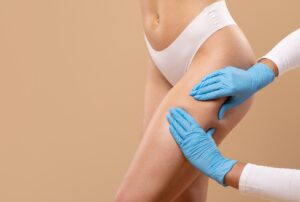
Like all surgical procedures, a medial thigh lift presents some risk.
Complications remain uncommon. However, our surgeon will review the possibilities during your consultation so that you can make an informed decision.
Key Risks to Be Aware Of
You should know about potential risks before moving forward:
-
Infection: Strict postoperative wound care instructions help reduce this risk.
-
Bleeding or hematoma: Some bleeding can occur, but significant bleeding rarely happens when the procedure is performed with detected safety measures.
-
Scarring: Scars are unavoidable, but precise incision placement allows for hidden or minimal scars over time.
-
Asymmetry or irregular contouring: Our surgeon uses advanced techniques to help create an even appearance.
-
Numbness or prolonged swelling: Some changes in sensation or long-term swelling can happen, but many patients recover as feeling returns over time.
When you closely follow aftercare guidelines, you support safe healing and minimize your risk.
Benefits of Medial Thigh Lift Surgery
Patients often share significant improvements in both comfort and appearance after completing their recovery. You may notice that your clothing fits better and that you can move more freely.
Below are some core benefits patients tell us about most often.
Advantages After a Thigh Lift
-
Improved thigh contour: Surgery creates a firmer, smoother appearance in the treated area.
-
Less friction and chafing: Many people feel relief from irritation while walking or exercising.
-
Increased self-confidence: Patients value looking in the mirror and seeing progress from their efforts, especially after major weight loss.
-
Easier clothing choices: With a more proportional shape, many people find more options in their style choices.
-
Better hygiene and comfort: Less excess skin can make daily self-care easier and more comfortable.
These benefits help create lasting positive effects on your quality of life.
Preparing for Your Thigh Lift Surgery
Careful preparation sets the foundation for a smooth procedure and recovery. At our Connecticut office, our team guides you every step of the way.
You can use this checklist as you get ready for your surgery:
-
Schedule a consultation: Meet with our surgeon, discuss your wishes, and review your medical history.
-
Achieve a stable weight: Aim for your goal weight before surgery for lasting results.
-
Arrange for help: Have a trusted adult available to support you during the first few days of recovery.
-
Set up a healing area: Prepare your home with comfortable seating, meals, and recommended supplies.
-
Follow all preoperative instructions: These help reduce the risk of complications and support quick recovery.
A proactive approach to preparation gives you the best chance of enjoying your results for years to come.
Frequently Asked Questions About Medial Thigh Lifts
Patients often arrive with questions they want addressed before choosing surgery. Below are short answers to a few of the most common ones at Dr. John Reilly MD Plastic Surgeon.
How noticeable are the scars after a medial thigh lift?
Scars can remain, but our Connecticut plastic surgeon uses incisions placed in the groin area or inner thigh crease for maximum concealment. Scars usually fade with time and proper skin care.
Can a medial thigh lift be combined with other procedures?
You can combine a medial thigh lift with other body contouring surgeries such as liposuction or abdominoplasty. Our doctor will develop a tailored plan based on your needs.
Will the results of my thigh lift last?
Results can last for many years if you keep a stable weight and practice healthy living. Major weight shifts or pregnancy may affect your final results.
What ages most often have thigh lift surgery?
Most patients have this surgery between ages 30 and 60. Age matters less than health status and skin quality.
How soon will I see results after surgery?
Swelling changes the appearance in the first weeks, but you will see improved leg shape immediately. Final results usually appear by three to six months after the procedure.
Making the Decision: Is a Medial Thigh Lift Right for You?
Choosing a medial thigh lift is a personal journey. Many people feel relief, confidence, and real comfort after addressing loose inner thigh skin. You deserve to feel at ease in your body and enjoy the results of your health efforts.
Our team at Dr. John Reilly MD Plastic Surgeon stands ready to help you understand your options, answer your questions, and deliver the care you need. Schedule a thigh lift consultation today and let us help you take the next step toward comfort, confidence, and a smoother silhouette.